Explore, Dream, Discover. This is a world travel blog about beautiful destinations, with free tips and guides on how to travel the world!

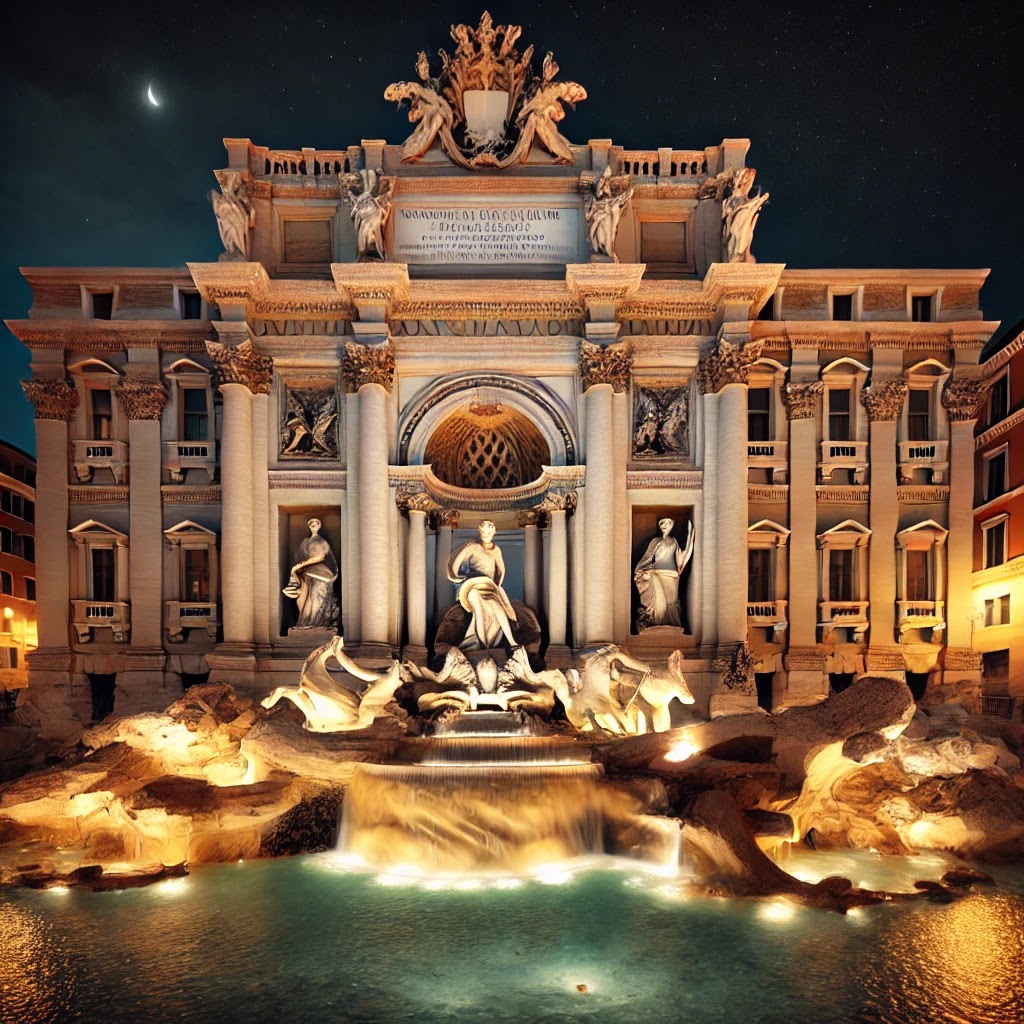
  Introduction to Trevi Fountain The Trevi Fountain ( Fontana di Trevi ) is one of Rome’s most iconic landmarks, renowned for its stunning ...

 
Why You Should Toss a Coin into Rome’s Trevi Fountain – And What It Means

Introduction to Trevi Fountain

The Trevi Fountain (Fontana di Trevi) is one of Rome’s most iconic landmarks, renowned for its stunning Baroque design and grand scale. Standing at 26 meters (85 feet) high and 49 meters (161 feet) wide, it is the largest fountain in Rome. The fountain, designed by Italian architect Nicola Salvi and completed by Giuseppe Pannini in 1762, features a dramatic sculpture of Neptune, the god of the sea, flanked by Tritons and other mythological figures.


Culture

Trevi Fountain holds a special place in Roman culture and has become a symbol of the city itself. The act of tossing a coin into the fountain is a beloved tradition, said to guarantee a return trip to Rome. Visitors throw over a million euros into the fountain each year, which is collected and donated to charity. The fountain has also been a setting for numerous films, most famously in 'La Dolce Vita' by Federico Fellini, solidifying its cultural significance.


History

The history of the Trevi Fountain dates back to ancient Roman times. It marks the terminal point of the Aqua Virgo aqueduct, constructed in 19 BC by Marcus Agrippa to supply water to the Roman baths and city fountains. The present fountain, however, began construction in 1732 under Pope Clement XII. Nicola Salvi won the commission, beating out many other architects of the time. Despite Salvi’s death in 1751, Giuseppe Pannini took over, completing the project in 1762.


Mystery 

A sense of mystery surrounds the fountain, tied to its long history and dramatic design. One legend holds that if a couple drinks from the fountain together, their love will last forever. Another is the famous coin-tossing ritual, where the first coin guarantees a return to Rome, a second ensures romance, and a third guarantees marriage. There is also a historical "treasure" element, with many coins being discovered at the bottom of the fountain over time.


Why Throw a Coin in the Trevi Fountain?  

Coin Photo of Trevi Fountain


The tradition of throwing a coin into the Trevi Fountain is based on a romantic legend that claims doing so ensures your return to Rome. According to the custom:  

1. First coin: Guarantees that you will return to Rome one day.  

2. Second coin: Ensures you will find love.  

3. Third coin: Brings the promise of marriage.  

To follow the tradition, you're supposed to throw the coin with your 'right hand over your left shoulder', without looking back. This practice has become hugely popular, with millions of euros tossed into the fountain each year, which are collected and donated to charity.


What God is in the Trevi Fountain?  

Trevi Fountain God


The central figure in the Trevi Fountain is 'Neptune', the Roman god of the sea (known as Poseidon in Greek mythology). He is depicted riding a chariot pulled by two sea horses, which represent the fluctuating moods of the sea—one calm and obedient, the other wild and rebellious. Neptune is surrounded by other mythological figures, such as Tritons (messengers of the sea) and allegorical figures that represent health and abundance.


How Do You 'Find Love' at the Trevi Fountain?  

The idea of 'finding love' at the Trevi Fountain comes from the second coin-tossing superstition, which suggests that throwing a second coin ensures romance. While it’s more of a symbolic gesture rather than a magical way to find love, many people participate in this ritual, hoping for romantic luck. The tradition has become an iconic part of visiting Rome, and couples often visit the fountain together to take part in this charming and hopeful practice.


Why the Trevi Fountain is Famous  

The Trevi Fountain is famous for its breathtaking Baroque architecture and its prominent cultural role in Rome. Its dramatic design, featuring Neptune at the center and intricate carvings of mythological figures, makes it a masterpiece of art and architecture. Several factors have contributed to its global fame:  

- Film Appearances: It gained international attention with films like 'La Dolce Vita' (1960), where the fountain played a key role in one of the most iconic scenes in cinema history.

- Coin-Tossing Tradition: The fountain is associated with the legend that tossing a coin over your shoulder into the water ensures a return to Rome, making it a must-visit spot for tourists.

- Cultural Symbol: Over time, it has become a symbol of Rome’s grandeur and historical charm, representing centuries of art, culture, and tradition.


Charges to Visit  

There is 'no entry fee' to visit the Trevi Fountain. It is free for all visitors, and you can spend as much time as you like admiring it. However, if you participate in the tradition of tossing coins, that’s the only real "cost" associated with your visit.


Nearest Hotels  

Several hotels near the Trevi Fountain provide a convenient stay for tourists. Here are a few nearby options:


- Hotel Trevi: Located just a minute away, this hotel offers easy access to the fountain and provides modern amenities in a historical setting.

- Hotel delle Nazioni: A 4-star hotel located about 5 minutes from the fountain, offering luxury accommodations and close proximity to other tourist sites.

- Relais Fontana di Trevi: A charming hotel that is situated right next to the fountain, offering rooms with views of the iconic landmark.

- Hotel Nazionale: A few minutes' walk from the fountain, this hotel offers elegant rooms in a historic building.


Nightlife Around Trevi Fountain  

The area surrounding Trevi Fountain offers a lively nightlife scene. While the fountain itself is a sight to behold at night (with beautiful illumination), the nearby streets are filled with restaurants, bars, and cafes.


- Rooftop Bars: Many hotels and restaurants in the vicinity have rooftop bars offering stunning views of the city, including spots like 'La Terrazza' at Hotel Eden, or 'Terrazza Borromini' near Piazza Navona.

- Wine Bars and Cocktail Lounges: Places like 'Il Chianti Vineria' offer authentic Italian wines, while 'Salotto 42' near the Pantheon is a popular lounge known for cocktails.

- 'Piazza di Pietra': Just a short walk from the fountain, this area is home to some stylish bars and bistros that stay open late.

- Late-Night Gelato: Trevi Fountain is close to some of the best gelaterias in Rome, such as 'Gelateria Valentino' and 'San Crispino', where you can grab a late-night gelato and enjoy it by the fountain.


Visiting Trevi Fountain at night offers a magical experience with fewer crowds and a serene atmosphere, making it the perfect backdrop for an evening stroll or enjoying a late dinner.


Festivals Near Trevi Fountain

While there are no specific festivals held directly at the Trevi Fountain, several cultural festivals and events occur throughout Rome that visitors can easily access from the fountain area:


1. Roma Summer Fest (June-August): Held at the Auditorium Parco della Musica, this music festival features world-renowned artists across different genres.


2. La Notte Bianca (White Night): Held annually in September, Rome stays awake all night with cultural events, museums, and shops open late. The Trevi Fountain area often participates with special lighting and performances.


3. Festa della Madonna della Neve (Festival of Our Lady of the Snow): Celebrated on August 5th, this religious festival involves a reenactment of a snow miracle at the nearby Basilica of Santa Maria Maggiore.


4. Rome Film Fest (October): Rome’s International Film Festival, hosted at the Auditorium Parco della Musica, features screenings, red carpet events, and cultural programming.


Nearest Tourism Gardens and Parks

1. Villa Borghese (about 20 minutes walking distance):  

   Rome’s largest and most famous park, Villa Borghese is a beautiful green space perfect for a relaxing break from sightseeing. Inside, you can explore the 'Borghese Gallery', a museum filled with masterpieces by artists like Bernini, Caravaggio, and Raphael. The park also offers bike rentals, boating on the lake, and picnic spots.


2. Gardens of the Quirinal Palace (10-minute walk):  

   Located near the Trevi Fountain, the Quirinal Palace is one of the official residences of the Italian president. While the gardens are only open to the public on specific days or tours, they offer beautiful views of the city and a peaceful escape in the heart of Rome.


3. Pincio Terrace and Gardens (20 minutes walk from the fountain):  

   Adjacent to Villa Borghese, Pincio Terrace offers a spectacular view of Piazza del Popolo and the city skyline. The surrounding gardens are a peaceful place to walk, especially at sunset.


Other Nearby Tourist Spots


1. Spanish Steps (10-minute walk):  

   A world-famous monumental stairway connecting Piazza di Spagna with the Trinità dei Monti church, the Spanish Steps are a popular spot for tourists to relax and take photos.


2. Pantheon (10-minute walk):  

   One of Rome’s most iconic ancient monuments, the Pantheon is an architectural marvel and a must-visit site near the Trevi Fountain.


3. Piazza Navona (15-minute walk):  

   This lively square is filled with stunning fountains, including Bernini’s Fountain of the Four Rivers, and surrounded by cafes and street performers.


These gardens and places offer a balance of relaxation, culture, and proximity to the city's main attractions, making them ideal stops during your visit to the Trevi Fountain.


How to Visit  

Trevi Fountain is centrally located in Rome, making it easily accessible. It is best visited during the early morning or late evening to avoid large crowds. The fountain is free to visit, and while it is open at all times, it is beautifully lit at night. The nearest metro stop is Barberini (Line A), and it’s a short walk from popular sites like the Spanish Steps and the Pantheon. Don't forget to toss a coin with your right hand over your left shoulder—one of Rome’s must-do traditions!


Tips for Visiting

- Arrive early or late in the evening to avoid crowds.

- Keep small change ready for the coin toss.

- Bring a camera for incredible photos, especially at night when the fountain is illuminated.

- Respect the fountain—avoid sitting on the edge or attempting to wade in the water (it’s prohibited). 


Visiting Trevi Fountain is not just about seeing an architectural masterpiece; it’s about participating in the rich traditions and legends that have made it a symbol of Rome.

  Marseille is the second-largest city in France, located on the Mediterranean coast in the Provence-Alpes-Côte d'Azur region. It is kno...


Marseille is the second-largest city in France, located on the Mediterranean coast in the Provence-Alpes-Côte d'Azur region. It is known for its rich history, diverse culture, and significant role as a major port city. 


Marseille, located on France's Mediterranean coast, is famous for several reasons:


1. Ancient History: It is one of the oldest cities in France, founded around 600 BCE by Greek sailors. Known as "Massalia" in ancient times, it played a significant role in Mediterranean trade.


2. Port and Trade: Marseille has one of the largest and busiest ports in Europe, known as the Port of Marseille. This port has been central to the city's economic and cultural life for centuries, making it a melting pot of cultures.


3. Multiculturalism: As a port city, Marseille has long been a crossroads for people from Europe, Africa, and the Middle East. This diversity is reflected in the city's cuisine, architecture, and daily life.


4. Cuisine: The city is famous for its seafood, especially its signature dish, "bouillabaisse"—a traditional Provençal fish stew. Local markets and restaurants serve fresh Mediterranean catches.


5. Notre-Dame de la Garde: This iconic basilica, perched atop a hill, offers panoramic views of the city and its coastline. It's a major pilgrimage site and one of Marseille's most recognizable landmarks.


6. Cultural Influence: Marseille has a rich artistic and cultural scene, with influences from its immigrant communities. It was named the "European Capital of Culture" in 2013, which further boosted its cultural prominence.


7. Proximity to Calanques: The stunning "Calanques National Park", with its limestone cliffs, turquoise waters, and rugged landscapes, lies just outside Marseille and is a popular spot for hiking, swimming, and boating.


8. Sports: The city is home to "Olympique de Marseille (OM)", one of the most popular and successful football clubs in France.


These aspects, among others, contribute to Marseille's fame as a historic, culturally rich, and vibrant Mediterranean city.


Is Marseille very expensive?

Marseille is generally more affordable compared to other major French cities like Paris or Nice, but the cost of living can still vary depending on lifestyle choices and specific areas within the city. Here’s a breakdown of what to expect:


1. Housing: Rent in Marseille is typically lower than in Paris or other large French cities, especially in more central or up-and-coming areas. However, housing in more desirable locations, such as near the Old Port (Vieux-Port) or in districts like the 7th arrondissement, can be more expensive.


2. Food and Dining: Dining out can be quite affordable in Marseille, especially with its wide range of street food and local eateries. Traditional Mediterranean and North African influences make for diverse and reasonably priced food options. Higher-end restaurants and dining in tourist areas may be pricier.


3. Transport: Public transportation in Marseille (buses, trams, and the metro) is reasonably priced. The city also has several bike-sharing programs. Owning a car can be more expensive due to parking costs and fuel, but it’s not always necessary depending on where you live.


4. Entertainment: Cultural activities like visiting museums, galleries, or enjoying the city’s parks are usually not expensive. Major attractions like boat trips to the Calanques or guided tours could add up, but they're often worth the experience.


5. Utilities and Services: Utility costs (electricity, water, internet) are in line with national averages for France. Some luxury services and goods might be priced higher, particularly in the more tourist-driven parts of the city.


In summary, while Marseille is not as expensive as some of the bigger French cities, certain areas or activities can still be pricey. Overall, it offers a good balance between affordability and quality of life.


What food is Marseille famous for?

Marseille is famous for its distinctive Mediterranean cuisine, heavily influenced by its port and multicultural history. Some of the iconic foods from Marseille include:


1. Bouillabaisse: A traditional Provençal fish stew made with various types of Mediterranean fish, shellfish, herbs, and spices, often served with "rouille" (a garlicky saffron sauce) and crusty bread.


2. Panisse: A fried chickpea flour dish, often served as an appetizer or snack. It is crispy on the outside and soft on the inside, similar to polenta fries.


3. Navettes: These are boat-shaped biscuits flavored with orange blossom, typically eaten around Candlemas but available year-round.


4. Pieds et Paquets: A classic Marseille dish made with stuffed sheep’s tripe and stewed sheep’s feet, slowly cooked in a rich tomato, wine, and herb sauce.


5. Pastis: A popular anise-flavored spirit that is often consumed as an aperitif. It’s iconic to southern France, particularly Marseille, and is usually diluted with water before drinking.


6. Aioli: A garlicky mayonnaise-like sauce, traditionally served with boiled vegetables, seafood, or salt cod.


7. Tapenade: A spread made from finely chopped olives, capers, anchovies, and olive oil, often served with bread or crackers.


These dishes reflect the rich flavors of the Mediterranean and the unique cultural blend that Marseille is known for.


Where to avoid in Marseille?

While Marseille is a vibrant and culturally rich city, like any major urban area, there are some neighborhoods where caution is advised, especially for tourists. These areas are generally considered less safe due to higher crime rates or social challenges. Here are a few places to be cautious in:


1. Northern Districts (Les Quartiers Nord): The northern neighborhoods, including areas like "La Castellane", "Felix Pyat", and "La Busserine", are known for social housing and higher crime rates. These areas have experienced economic struggles, and while they are home to many local residents, they might not be ideal for tourists unfamiliar with the city.


2. Train Station Area (Gare Saint-Charles): The area around the main train station, particularly at night, can sometimes attract petty crime, such as pickpocketing or scams. While the station itself is safe and heavily monitored, it's advisable to remain alert in the surrounding streets, especially after dark.


3. Noailles and Belsunce: While these neighborhoods are close to the city center and bustling during the day, they can be less safe at night. These areas are known for their markets and multicultural atmosphere, but crime like theft or drug-related activity can occur after dark.


4. Canebière at Night: La Canebière is one of Marseille's main thoroughfares, but after dark, it can sometimes feel less secure, with occasional reports of muggings or petty crime. It’s fine to visit during the day but worth being more cautious in the late evening.


General Safety Tips:

- Stay in well-lit, busy areas: Tourist-friendly districts like the "Old Port (Vieux-Port)", "Le Panier", "Cours Julien", and "Corniche" are generally safe and offer plenty to see.

- Avoid isolated areas at night: Like many cities, it's best to avoid empty streets, especially late at night.

- Pickpockets: Be cautious in crowded areas like markets and public transport.


With basic precautions, Marseille is a wonderful city to explore, but staying aware of your surroundings can enhance your experience.


What is the crime rate in Marseille?

Marseille has a reputation for having a relatively high crime rate compared to other French cities, particularly in areas related to drug trafficking, gang violence, and petty crime. However, the level of crime varies significantly depending on the part of the city.


Here are some key details regarding crime in Marseille:


1. Violent Crime: Marseille has higher rates of violent crime, especially in the northern districts, where gang-related incidents, including shootings and drug-related violence, occur. These areas are generally away from tourist zones and are not frequented by visitors.


2. Petty Crime: Like many large cities, Marseille experiences issues with pickpocketing, especially in tourist-heavy areas such as the Old Port (Vieux-Port), public transportation, and crowded markets. Tourists should be mindful of their belongings, particularly in busy or crowded places.


3. Drug-Related Crime: Marseille has historically been a hub for drug trafficking, especially in certain neighborhoods. The northern districts are particularly affected by this, leading to higher crime rates in those areas.


4. General Safety: For most tourists and residents, daily life in Marseille is safe, particularly in well-populated and central areas like "Vieux-Port", "Le Panier", and "Cours Julien". While Marseille's crime statistics may seem high, much of the more serious crime is concentrated in specific areas that are not typical tourist destinations.


Crime Statistics:

- Overall crime rate: Marseille has a higher crime rate than other French cities, but much of this crime is localized to certain districts, particularly in the north.

- Petty theft: Pickpocketing and bag-snatching are more common in tourist areas, but violent crimes against tourists are relatively rare.


Conclusion:

While the crime rate in Marseille may be higher than in other French cities, most visitors who stay in central and well-frequented areas are unlikely to encounter serious problems. Staying alert and avoiding certain neighborhoods at night can help ensure a safe visit.


Why are there so many Muslims in Marseille?

Marseille has a large Muslim population due to several historical, geographical, and socio-economic factors that have shaped its demographics over time:


1. Historical Ties to North Africa:

   - Colonial History: France colonized much of North Africa, including Algeria, Morocco, and Tunisia, starting in the 19th century. During and after the colonial period, many North Africans migrated to France for economic opportunities, and Marseille, as a major Mediterranean port, became a natural entry point.

   - Algerian War of Independence (1954-1962): After the war, many pieds-noirs (French settlers from Algeria) and Algerians who supported France (harkis) moved to France, with Marseille being one of the cities where they settled.


2. Migration for Labor:

   - In the mid-20th century, France experienced a labor shortage and encouraged immigration from its former colonies, particularly from Algeria, Morocco, and Tunisia. Marseille, being an industrial hub and port city, attracted many of these workers due to its demand for labor in industries like shipping, construction, and manufacturing.

   - Many migrants settled permanently in Marseille, bringing their families and establishing communities.


3. Geographical Proximity:

   - Marseille’s location on the Mediterranean coast makes it geographically close to North Africa. As a port city, it has historically been a crossroads for people from various parts of the Mediterranean, including Muslim-majority countries like Algeria, Morocco, Tunisia, and even countries further east like Turkey and Lebanon.


4. Cultural and Economic Connections:

   - Marseille has maintained strong cultural and economic ties with the Maghreb (North Africa), leading to a continuous exchange of people, goods, and ideas. These ties have contributed to a large Muslim community and helped establish strong cultural networks that made it easier for further migration.


5. Multicultural Legacy:

   - Marseille has long been a multicultural city due to its status as a port and trade hub. Over time, the city has become home to a variety of ethnic groups, including Muslims from North Africa, Sub-Saharan Africa, and the Middle East. This diversity has contributed to a tolerant and diverse society where Muslim communities have become a significant part of the social fabric.


6. Second and Third Generation Immigrants:

   - Many Muslims in Marseille today are second or third-generation descendants of immigrants. While their ancestors may have come for work, they have now become integral parts of Marseille’s society, contributing to the city's culture, economy, and politics.


Present-day Marseille:

   - It is estimated that about 20-25% of Marseille’s population is of Muslim background, making it one of the largest Muslim communities in France. The presence of mosques, halal shops, and cultural institutions reflects the deep integration of Muslim culture into the city.


Marseille's rich, diverse, and complex history of migration and its proximity to North Africa are key reasons for its significant Muslim population.


What is the currency in Marseille?

The currency in Marseille, as in the rest of France, is the Euro (€). It is abbreviated as EUR. The Euro is the official currency used across 20 of the 27 European Union countries, and it is divided into 100 cents. You can use banknotes and coins for everyday transactions in Marseille, and credit cards are widely accepted as well.


How to visit

Visiting Marseille is relatively easy, and it offers a variety of options for travelers, depending on where you're coming from and your preferences. Here’s a guide to help you plan your trip:


1. By Air

   - Marseille Provence Airport (MRS) is the main airport serving the city, located about 27 km (17 miles) northwest of the city center.

   - Direct flights: Many airlines offer direct flights to Marseille from European cities, as well as international flights from North Africa, the Middle East, and occasionally from North America.

   - Transportation to the city: 

     - From the airport, you can take a shuttle bus (around 25 minutes to the city center), a taxi (around 20–30 minutes), or rent a car.


2. By Train

   - Marseille has excellent train connections, especially via France’s high-speed "TGV" network.

     - From Paris, it’s about 3 hours on the TGV.

     - From Nice or Lyon, it's 2 to 2.5 hours.

     - International routes: Trains also connect Marseille to other European cities, including Barcelona, Milan, and Brussels.

   - Gare Saint-Charles is the city’s main train station, centrally located and well-connected to public transportation.


3. By Car

   - Marseille is accessible by car from major cities in France and Europe. It’s connected by the A7 motorway (from the north) and A55 (from the west). If you're coming from Nice, you’ll take the A8 motorway along the coast.

   - Be aware of traffic congestion, particularly during peak hours or tourist seasons, and parking can be challenging in the city center.


4. By Bus

   - Long-distance bus services, like FlixBus or BlaBlaBus, offer affordable options to travel to Marseille from other cities in France and Europe. The buses usually stop at Gare Saint-Charles or nearby bus stations.


5. By Boat

   - Marseille’s Port of Marseille is one of the busiest in Europe, and several ferry services operate between Marseille and other Mediterranean destinations.

     - Ferries: You can take a ferry to/from Corsica, Sardinia, Tunisia, and Algeria.

     - Marseille is also a popular stop for Mediterranean cruises.


Getting Around Marseille:

- Public Transportation: Marseille has a reliable public transport system, including metro, trams, and buses. A day pass can be a good option for tourists.

- Walking: Many of the city's key attractions are within walking distance, especially around "Vieux-Port" and the historic "Le Panier" district.

- Taxis & Ride-Sharing: Taxis are available, but ride-sharing apps like Uber also operate in Marseille.

- Bikes: Marseille has a bike-sharing system called Le Vélo if you prefer cycling around the city.


Important Documents:

- Visa: If you are from the EU, Schengen Area, or several other countries, you may not need a visa for short stays (up to 90 days). Check visa requirements for France based on your nationality.

- Currency: Make sure to have some euros for smaller purchases, although credit and debit cards are widely accepted.


Best Time to Visit:

- Spring (April-June) and fall (September-October) are ideal due to mild weather and fewer crowds. Summer can be hot and crowded, especially around tourist areas.


Enjoy planning your trip! Marseille is a wonderful city with a lot to offer.

Amsterdam, with its beautiful canals and rich history, often gets the nickname "Sin City." But why is that? Let's take a close...


Amsterdam: The Sin City You Can’t Ignore


Amsterdam, with its beautiful canals and rich history, often gets the nickname "Sin City." But why is that? Let's take a closer look at what makes this vibrant city stand out in the world of nightlife, freedom, and, yes, a bit of sin.


The Red Light District: A Glimpse of Freedom


When you hear "Sin City," one of the first things that comes to mind is the Red Light District. This area is famous for its windows where sex workers openly display themselves. This unique approach to sex work is legal in Amsterdam, making it a stark contrast to many other places around the globe. It raises questions about morality and freedom. Is it wrong if everyone involved is consenting adults? Many believe that this openness leads to safer conditions for sex workers and clients alike. It challenges traditional views about sex and society.


Coffee Shops: More Than Just Coffee


Another major reason Amsterdam earns its "Sin City" title is the coffee shops where cannabis use is tolerated. Visiting one of these spots can feel like wandering into a different world. Instead of the smell of roasting beans, you’re greeted by the earthy scent of marijuana. It’s a unique experience that attracts many tourists. The relaxed laws around cannabis make Amsterdam a popular destination for those curious about its culture. But, does this mean it’s a free-for-all? Not quite. There are still rules, and knowing them can enhance your experience.


Festivals: Celebrating Freedom of Expression


Amsterdam loves to celebrate, and its festivals reflect the city's spirit of freedom and acceptance. Events like Amsterdam Pride and the Cannabis Cup draw visitors from all over, showcasing the city's progressive values. These festivals are not only about fun but also push for awareness and rights for different communities. It’s an explosion of colors, music, and freedom, making for a party atmosphere that’s hard to resist.


The Culture of Acceptance


What really sets Amsterdam apart is its culture of acceptance. The locals have a live-and-let-live attitude. People can openly express who they are without fear of judgment. This openness creates a unique environment that feels both freeing and exhilarating. The city encourages exploration, allowing visitors to discover parts of themselves they might not have known existed. Isn't that what travel is all about?


Conclusion: More Than Just Sin


So, is Amsterdam really a "Sin City"? Yes, if you’re solely considering the open attitudes toward sex and drugs. But it’s also a city rich in history, art, and culture. The nickname might hint at some shady corners, but there’s so much more to discover here. A visit to Amsterdam is a chance to explore, indulge, and learn in a city that celebrates life in all its forms.


Whether you're wandering through the Red Light District, sipping coffee at a local shop, or enjoying a festival, you're engaging with a vibrant culture that thrives on freedom. So next time you think of Amsterdam, remember, it’s not just about the sin; it’s a celebration of everything that makes life exciting.


Uncovering the Mystery: Why Is Amsterdam Called the Red Light District?


Amsterdam is famous for many things, but one area stands out: the Red Light District. You might wonder why this part of the city has such a bold name. Let’s shine a light on it and uncover the story behind the curious title.


The Origin of the Name


The name "Red Light District" comes from the red lights that glow in windows throughout the area. These lights signal to passersby that adult services are offered inside. It’s like a neon sign that boldly says, “Welcome to a different side of life!” The use of red lights isn’t just random. Red has long been associated with love, desire, and passion. So, it makes sense, right?


A Historical Perspective


The Red Light District isn't a new concept. It goes back centuries. In the 14th century, this area was close to the docks where sailors arrived. Many men sought companionship during their travels. The city had a booming sex trade long before modern laws shaped the landscape. Over time, this part of Amsterdam became a well-known hub for sex work, solidifying its reputation.


Legalization and Regulation


Amsterdam is unique. The city legalized sex work in 2000. This move aimed to improve safety for sex workers and minimize crime. By making it legal, the government could regulate the industry, ensuring that workers have rights and access to healthcare. It’s a pragmatic approach that contrasts with many other countries, where sex work is often pushed underground.


The Cultural Landscape


When you stroll through the Red Light District, you're not just witnessing a sex trade; you’re experiencing a vibrant culture. The area is bustling with life, filled with cafes, shops, and even historical buildings. Tours of the district often highlight this rich history, showing that it’s more than just a place to visit for its controversial reputation.


Stereotypes and Misconceptions


It’s easy to fall into stereotypes about the Red Light District. Many think it’s just a playground for tourists, but it’s essential to recognize the human aspect. The women (and sometimes men) working here often have personal stories and reasons for being in this line of work. Understanding their experiences can shift your perspective and break down the stigma surrounding sex work.


What to Expect When Visiting


If you plan to visit the Red Light District, be respectful. Keep in mind that many of the workers prefer boundaries and privacy. Taking photos of them without consent is not just rude; it can create tension. Enjoy the scene, soak in the atmosphere, and appreciate the history.


Conclusion: A Unique Part of Amsterdam


The Red Light District is a fascinating part of Amsterdam’s identity. Its origins, culture, and the laws that surround it make it a unique destination. So, next time you hear the name "Red Light District," remember it’s not just about bright neon lights. It’s a complex world that tells a deeper story about society’s views on love, work, and freedom. Isn’t that intriguing?

When you think of breathtaking waterfalls, Burney Falls should definitely be on your list. Nestled in Northern California, this stunning cas...

Discover the Magic of Burney Falls: Nature's Hidden Gem


When you think of breathtaking waterfalls, Burney Falls should definitely be on your list. Nestled in Northern California, this stunning cascade isn’t just a pretty sight; it’s a place filled with fun and adventure. Let’s dive into why Burney Falls is a must-see for nature lovers and adventure seekers alike.


A Natural Wonder


Burney Falls is often called the "Eighth Wonder of the World," and for a good reason! This waterfall is about 129 feet tall and flows year-round. That’s right—no matter when you visit, you’ll get to see the water cascading over the rocks. Imagine standing in front of this powerful waterfall and feeling the mist on your face while hearing the soothing sounds of water crashing down. It’s a refreshing escape from the everyday hustle and bustle.


Exploring McArthur-Burney Falls Memorial State Park


The falls are part of McArthur-Burney Falls Memorial State Park. The park spans over 910 acres, with plenty of trails, picnic spots, and camping areas. Hiking trails wind through the trees, offering views of the falls from different angles. Each view is like a new photograph, just waiting to be captured. Whether you’re a seasoned hiker or just looking for a leisurely stroll, there’s something here for everyone.


Fun Activities Around the Falls

The Best Seasons to Visit Burney Falls


Hiking: The trails range in difficulty, so whether you’re an expert or a beginner, you can find a path that suits you. The trails take you through lush forests and offer great views of the waterfall.


Fishing: The park is home to beautiful creeks and lakes, making it perfect for fishing. Cast your line and see what you catch!


Photography: The falls are breathtaking, especially during golden hour when the sun sets. Grab your camera and capture the beauty of nature.


Camping: Spend a night under the stars! The park offers campgrounds where you can pitch your tent and listen to the soothing sounds of nature.


Best Time to Visit Burney Falls


The best time to visit is from spring to summer when the water flow is at its peak. During this time, the colors are vibrant, and the air is filled with the sweet smells of blooming flowers. However, fall also offers a stunning display of autumn leaves, making it a delightful experience too.


Why Burney Falls is Special

Discover the Hidden Spots at Burney Falls


What makes Burney Falls so special? It’s not just the picturesque views; it’s also about the experience. The energy of the waterfall, combined with the beauty of the surrounding landscape, creates a sense of peace. It’s like nature is giving you a warm hug. Plus, the variety of activities means there's always something new to discover.


Here's how you can visit Burney Falls:


1. Location & Directions

Address: 24898 CA-89, Burney, CA 96013.

By Car: The falls are about 60 miles northeast of Redding, CA.

From Redding: Take I-5 North to CA-299 East. Then, take CA-89 South to the park.

From Sacramento: It’s a roughly 3.5-hour drive (about 215 miles). Take I-5 North, then follow CA-299 East and CA-89 South.

From San Francisco: A 4.5-hour drive (about 275 miles). Follow I-80 East to I-5 North, then take CA-299 East and CA-89 South.


2. Parking and Entrance Fees

There is a day-use fee of around $10 per vehicle. Parking is available near the falls, but it can fill up quickly, especially during weekends and holidays.


3. Nearby Attractions

Lake Britton: Located within the park, this is a great spot for boating, fishing, and swimming.

Lassen Volcanic National Park: About 50 miles to the south, it offers unique volcanic landscapes and geothermal features.


Plan Your Trip Today!


So, what are you waiting for? Pack your bags, grab your friends or family, and head to Burney Falls. Whether you’re seeking adventure, tranquility, or just a bit of fun in nature, Burney Falls has it all. It’s more than just a waterfall; it’s an unforgettable experience that will leave you with memories for a lifetime. Don’t miss out on this natural wonder!


Enjoy your trip to Burney Falls!👍

Navy Pier - Chicago's Landmark All You Need to Know Before You Go Overview...

Navy Pier - Chicago's Landmark

All You Need to Know Before You Go

Navy Pier and the Centennial Wheel with Chicago's skyline in the distance, a must-visit destination on Lake Michigan

Overview

Navy Pier, located on the shoreline of Lake Michigan in Chicago, is one of the city's most famous landmarks and tourist attractions. Originally opened in 1916, it was designed for both commercial shipping and as a public space for recreation. Over the years, the pier has transformed into an entertainment destination, offering a wide variety of activities, dining, and events for locals and visitors alike.

History

Navy Pier was designed by architect Charles Sumner Frost and was originally known as Municipal Pier. It was part of Daniel Burnham's vision for Chicago’s lakefront as outlined in his 1909 Plan of Chicago. During World War I, the pier was used by the military, which led to it being renamed "Navy Pier" in honor of the Navy personnel who served there. After a period of decline, a revitalization effort in the 1990s helped Navy Pier become the cultural and recreational hub it is today.

Attractions

  • Centennial Wheel: A 200-foot-tall Ferris wheel offering stunning views of the Chicago skyline and Lake Michigan.
  • Chicago Shakespeare Theater: A renowned theater that produces a wide range of performances, from Shakespearean plays to modern adaptations.
  • Crystal Gardens: An indoor botanical garden featuring tropical plants, fountains, and peaceful walking paths.
  • Restaurants and Dining: Navy Pier is home to various restaurants, from quick bites to fine dining, offering everything from Chicago-style pizza to fresh seafood.
  • Seasonal Events: Throughout the year, Navy Pier hosts fireworks displays, music festivals, and art installations, making it a lively destination year-round.
Navy Pier and the Centennial Wheel with Chicago's skyline in the distance, a must-visit destination on Lake Michigan

How to Get to Navy Pier

Navy Pier is located at 600 E Grand Avenue, Chicago, IL. There are multiple ways to reach it:

By Public Transportation:

    CTA Bus:

    Several CTA buses serve Navy Pier directly, including:

  • Route 2 (Hyde Park Express)
  • Route 29 (State Street)
  • Route 65 (Grand Avenue)
  • Route 66 (Chicago Avenue)
  • Route 124 (Navy Pier Express)
    By Train (CTA "L" System):

    Take the Red Line or Blue Line to the Grand station, then transfer to the CTA bus Route 65 for direct access to Navy Pier.

    By Car:

    1. Navy Pier has a large on-site parking garage

    2. From the I-90/94 expressway: Exit at Ohio Street and follow signs east to Navy Pier.

    3. From Lake Shore Drive: Exit at Grand Avenue/Illinois Street and follow signs to Navy Pier.

    By Bike:

    Navy Pier is accessible by bike, with dedicated bike lanes leading to the pier. You can lock your bike at the bike racks near the entrance.

    By Water Taxi:

    1. During the warmer months, you can take a water taxi from locations like the Chicago Riverwalk, Michigan Avenue, or Museum Campus for a scenic route to Navy Pier.

    2. Depending on your starting location, all these options make it easy to access Navy Pier and enjoy its attractions!

Varanasi, one of the oldest living cities in the world, is nestled on the banks of the holy Ganges River. Known as the spiritual capital of ...

Shri Kashi Vishwanath ghat


Varanasi, one of the oldest living cities in the world, is nestled on the banks of the holy Ganges River. Known as the spiritual capital of India, this ancient city attracts millions of pilgrims who come to seek blessings and experience the mystical aura of the sacred Ghats, temples, and rituals.


A Glimpse into Varanasi’s Rich Culture


The city of Varanasi, often referred to as Kashi or Banaras, holds immense significance in Hinduism, Buddhism, and Jainism. It is believed that dying in Varanasi grants liberation (moksha) from the cycle of life and death. The Ghats, especially Dashashwamedh and Manikarnika, are where life and death converge, with rituals like Ganga Aarti and cremation ceremonies performed daily.


The labyrinth of narrow streets, the bustling markets selling silk saris, handicrafts, and traditional sweets, combined with the hum of devotional music, create an atmosphere both chaotic and serene. The renowned Kashi Vishwanath Temple, dedicated to Lord Shiva, stands as a sacred landmark.


Varanasi's Majestic Ghats


The Ghats of Varanasi, stretching across the Ganges, are the focal point for pilgrims and tourists alike. Here, you can witness rituals of bathing, prayer, and offerings at dawn, while vibrant boats glide across the river. The sunrise over the Ganga is a sight to behold as the entire landscape is bathed in a warm golden glow, amplifying the city's timeless beauty.


At night, the Ganga Aarti—a captivating display of devotion with fire lamps and chanting—is an unforgettable spiritual experience.


Tourism and Connectivity


Varanasi’s charm lies not just in its religious significance but also in its unique blend of history, spirituality, and culture. From the famous Banarasi paan to boat rides on the Ganges and exploring hidden gems like Sarnath (where Buddha gave his first sermon), the city offers a myriad of experiences.


Types of Ghats in Varanasi:

Bathing Ghats: These are used by pilgrims for ritual purification by bathing in the holy Ganges.

Cremation Ghats: Notably, the Manikarnika and Harishchandra Ghats are where cremation ceremonies are conducted. It is believed that being cremated here offers liberation from the cycle of reincarnation.

Famous Ghats in Varanasi:

Dashashwamedh Ghat: The most vibrant and famous ghat, known for the daily Ganga Aarti, where priests perform a ritual offering fire and prayers to the river.

Assi Ghat: Located at the confluence of the Ganges and Assi rivers, this ghat is popular for pilgrims who come to take a holy dip.

Manikarnika Ghat: The busiest cremation ghat in Varanasi, believed to be the place where souls achieve moksha.

Ghats are not only religious centers but also cultural hubs, where the essence of life in Varanasi unfolds every day—from dawn rituals to evening prayers


Varanasi offers a variety of hotels that cater to different tastes and budgets, from luxury stays to budget-friendly accommodations. Here’s a look at some popular types of hotels in Varanasi:

Varanasi hotel image


1. Luxury Hotels

- Taj Ganges, Varanasi: A 5-star hotel offering luxurious rooms with garden views, modern amenities, a spa, and top-notch dining options. It’s ideal for travelers seeking comfort and opulence.

- Brijrama Palace: This is a heritage hotel located near the ghats with a royal ambiance. It offers a perfect mix of luxury and traditional charm, overlooking the Ganges River.

- Taj Nadesar Palace: A regal stay in an old palace, it offers personalized services, traditional décor, and scenic gardens.


2. Mid-range Hotels

- Radisson Hotel Varanasi: Known for its comfortable rooms, modern facilities, and central location, it’s a good option for business travelers and tourists alike.

- Hotel Alka: Located near the famous Dashashwamedh Ghat, this hotel offers easy access to the river and temples, with a great view of the Ganges.


3. Budget Hotels

- Shiva Ganges View: A budget-friendly hotel located close to Assi Ghat, offering basic amenities and a cozy stay for backpackers and budget-conscious travelers.

- Ganpati Guest House: Known for its homely environment, this guesthouse offers a peaceful stay with river views at an affordable price.


4. Boutique and Heritage Stays

- Suryauday Haveli: Located right on the riverbank, this heritage hotel offers an authentic experience with a blend of traditional architecture and modern comfort.

- A Palace on River, Rashmi Guest House: Situated near Manikarnika Ghat, it’s ideal for those wanting a unique experience, witnessing the rituals on the ghats.


Most of these hotels offer easy access to the ghats, temples, and local markets, ensuring that travelers can explore Varanasi’s rich spiritual and cultural heritage easily.


Time table for events or activities in Varanasi:


1. Ganga Aarti Timings

   - Dashashwamedh Ghat: 

     - Morning Aarti: Around 5:30 AM to 6:30 AM (seasonal variation).

     - Evening Aarti: 6:30 PM to 7:30 PM (timing changes slightly with the seasons).

     - It’s recommended to arrive at least 30 minutes early for a good view.


2. Temple Opening Hours

   - Kashi Vishwanath Temple:

     - Opening Hours: 3:00 AM to 11:00 PM.

     - Mangala Aarti: 3:00 AM to 4:00 AM (requires a ticket).

     - Bhog Aarti: 11:15 AM to 12:20 PM.

     - Shringar Aarti: 7:00 PM to 8:15 PM.


3. Boat Rides on the Ganges

   - Morning Rides: From 5:00 AM to 7:30 AM (best to experience sunrise).

   - Evening Rides: From 5:00 PM to 7:00 PM (ideal to experience the evening Aarti from the river).


4. Sarnath Visit Timings

   - Sarnath Museum: 10:00 AM to 5:00 PM (closed on Fridays).

   - Sarnath Buddhist Sites: Open from sunrise to sunset.


5. Banaras Hindu University (BHU)

   - Campus Visiting Hours: Open throughout the day, but it's ideal to visit between 9:00 AM and 6:00 PM.


These timings can vary slightly based on the season (especially for events around sunrise and sunset), so it’s always a good idea to confirm locally when you’re in the city.


Conclusion


Varanasi is a city like no other. It breathes history, spirituality, and culture in every corner. A visit here is not just a journey but a deep, transformative experience. Whether it's witnessing the evening Aarti on the Ghats or simply walking through its ancient streets, Varanasi stays with you long after you leave.

Varanasi City Map


For more information visit official website of Shri Kashi Vishwanath Official Web Portal


Baga Beach is one of the most famous beaches in Goa. It attracts numerous tourists every year. ...


Baga Beach is one of the most famous beaches in Goa. It attracts numerous tourists every year.

Baga Beach, located in North Goa, is renowned for its vibrant nightlife and scenic beauty. Tourists flock here for its golden sands and lively atmosphere. The beach offers a range of water sports, including parasailing and jet-skiing. Shacks and restaurants serve delicious Goan cuisine and refreshing drinks.

The nearby Tito’s Lane is famous for its nightclubs and bars. Baga Beach is ideal for both relaxation and adventure. Families, couples, and solo travelers all find something to enjoy here. Its proximity to other popular beaches makes it a convenient destination. Whether you want to sunbathe or party, Baga Beach has it all.

Introduction To Palolem Beach

Palolem Beach is one of the most beautiful beaches in Goa. This crescent-shaped beach is famous for its golden sand and clear waters. It offers a tranquil escape from the hustle and bustle of city life.

Location And Accessibility

Palolem Beach is located in South Goa, near the town of Canacona. It is about 38 km from Margao, the largest city in South Goa.

Getting to Palolem Beach is easy. You can travel by car, taxi, or bus. The nearest railway station is Canacona, just 2 km away. The Dabolim Airport is about 60 km from the beach.

Mode of Transport Approximate Distance Travel Time
Car 60 km from Dabolim Airport 1.5 hours
Taxi 60 km from Dabolim Airport 1.5 hours
Bus 38 km from Margao 1 hour
Train 2 km from Canacona Station 5 minutes

First Impressions

As you arrive at Palolem Beach, you will see its stunning beauty. The beach is lined with palm trees and colorful shacks. The water is clear and calm, perfect for swimming. The soft golden sand feels warm under your feet.

You will notice many activities at Palolem Beach. People are kayaking, paddleboarding, and taking boat rides. The beach shacks offer delicious seafood and refreshing drinks.

  • Kayaking: Enjoy paddling in the calm waters.
  • Paddleboarding: Try balancing on the board.
  • Boat Rides: Explore nearby islands and see dolphins.
  • Beach Shacks: Taste local seafood and drinks.

Palolem Beach is not just for adventure seekers. It is also a place to relax and unwind. You can lie on the beach and soak up the sun. Listen to the waves and feel the gentle breeze.

Natural Beauty

Natural Beauty of Goa's Famous Beach

Goa's famous beach is a paradise. It offers stunning natural beauty. The beach boasts of clear waters and golden sands. Palm trees line the shore, swaying gently in the breeze. The vibrant flora and fauna add to its charm. Visitors can relax and enjoy the serene environment.

Scenic Views

The beach provides spectacular scenic views. The horizon stretches endlessly, meeting the blue sky. Waves crash gently against the shore, creating a soothing sound. Hills and cliffs surround the beach, offering picturesque landscapes. The lush greenery contrasts beautifully with the sandy beach. These views are perfect for photography enthusiasts.

Sunsets And Sunrises

Sunsets and sunrises at this beach are magical. The sky lights up with vibrant colors. Shades of orange, pink, and purple fill the horizon. The sun rises slowly, casting a golden glow. At sunset, it sinks into the ocean, painting the sky. These moments are perfect for peaceful contemplation.

Feature Description
Clear Waters Crystal clear waters perfect for swimming.
Golden Sands Soft, golden sands stretch along the shore.
Palm Trees Tall palm trees provide shade and beauty.
Flora and Fauna Diverse flora and fauna enhance the beach's beauty.
Hills and Cliffs Hills and cliffs offer stunning backdrops.

Activities And Adventures

Goa is known for its beautiful beaches and vibrant culture. One of the most famous beaches in Goa offers numerous activities and adventures. Visitors can enjoy water sports, yoga, and wellness sessions. This makes the beach a perfect destination for thrill-seekers and those seeking relaxation.

Water Sports

The beach is a paradise for water sports enthusiasts. You can try jet skiing, which is both thrilling and fun. For a more relaxed experience, go parasailing and enjoy the stunning views. Scuba diving is also available, allowing you to explore underwater life.

  • Jet Skiing: High-speed fun on the water.
  • Parasailing: Soar above the beach for amazing views.
  • Scuba Diving: Discover colorful marine life.
  • Banana Boat Rides: Great for groups and families.
  • Snorkeling: Ideal for observing underwater beauty.

Yoga And Wellness

Beyond the adrenaline rush, the beach is also a hub for relaxation. Yoga sessions are available on the beach. These sessions help you find inner peace and enjoy the serene environment. Wellness retreats offer massages and spa treatments.

  • Beach Yoga: Practice yoga with ocean views.
  • Meditation: Calm your mind in a peaceful setting.
  • Spa Treatments: Indulge in relaxing massages.
  • Ayurveda: Experience traditional healing methods.
  • Wellness Retreats: Rejuvenate with holistic practices.
Activity Description
Jet Skiing High-speed rides on the water.
Parasailing Fly above the beach and enjoy the view.
Scuba Diving Explore underwater marine life.
Beach Yoga Relax with yoga sessions by the sea.
Spa Treatments Enjoy massages and other spa services.

Local Culture

Goa's vibrant culture makes it a unique beach destination. The local culture is a mix of Indian and Portuguese influences. This blend creates a rich, diverse atmosphere that captivates visitors.

Food And Cuisine

Goa is famous for its delicious food. The local cuisine is a mix of spices and flavors. Seafood is a staple in Goan dishes. Some must-try dishes include:

  • Fish Curry Rice - A spicy and tangy dish.
  • Prawn Balchão - A fiery prawn pickle.
  • Sorpotel - A traditional pork dish.
  • Bebinca - A layered Goan dessert.

Goan cuisine is incomplete without Feni. This local drink is made from cashew or coconut.

Festivals And Events

Goa hosts many vibrant festivals. These events showcase its rich culture.

Festival Month Description
Carnival February A lively parade with music and dance.
Shigmo March A spring festival with folk dances.
Feast of St. Francis Xavier December A religious event with processions.

These festivals attract many visitors. They offer a glimpse into Goa's cultural heritage.

Accommodation Options

Goa offers a variety of accommodation options to suit every traveler's needs. Whether you're seeking luxury or traveling on a budget, you will find the perfect place to stay. Let's explore the best places to stay near Goa's famous beaches.

Luxury Resorts

For those looking to indulge in a lavish experience, Goa's luxury resorts are the ideal choice. These resorts offer world-class amenities and stunning beachfront views.

  • Taj Exotica Resort & Spa: Located on Benaulim Beach, it offers luxury rooms, a spa, and gourmet dining.
  • The Leela Goa: Situated on Mobor Beach, features spacious villas, a private beach, and a golf course.
  • W Goa: Found on Vagator Beach, known for its vibrant atmosphere and stylish decor.

These resorts provide amenities like:

Resort Location Key Features
Taj Exotica Benaulim Beach Spa, Gourmet Dining
The Leela Mobor Beach Golf Course, Private Beach
W Goa Vagator Beach Stylish Decor, Vibrant Atmosphere

Budget Stays

Travelers on a budget will find numerous affordable options in Goa. These stays offer comfort without breaking the bank.

  1. Backpacker Panda: Located in Candolim, offers dormitories and private rooms.
  2. Roadhouse Hostels: Found in Anjuna, known for its social vibe and clean facilities.
  3. Crystal Goa: Situated in Palolem, provides cozy rooms and a welcoming atmosphere.

Budget stays often include:

  • Free Wi-Fi
  • Communal Kitchens
  • Social Events

Both luxury and budget options ensure a delightful stay near Goa's famous beaches.

Nearby Attractions

Goa's famous beaches are not just about sun and sand. They are surrounded by a myriad of attractions. These attractions enhance your beach experience. Explore islands, boat trips, and wildlife sanctuaries near Goa’s popular beaches.

Islands And Boat Trips

Several islands near Goa offer unique experiences. One popular option is Grande Island. It is known for its crystal-clear waters. You can enjoy snorkeling and diving here.

  • Grande Island: Ideal for snorkeling and diving.
  • Divar Island: Offers scenic views and historic churches.

Boat trips are another exciting activity. Take a boat trip to Dolphin's Point. Watch playful dolphins in their natural habitat.

  • Dolphin's Point: Watch dolphins in their natural habitat.
  • Backwater Cruise: Explore Goa’s lush backwaters.

Wildlife Sanctuaries

Goa is home to several wildlife sanctuaries. These sanctuaries offer a glimpse of the region’s rich biodiversity.

Visit the Bondla Wildlife Sanctuary. It is the smallest sanctuary in Goa but very popular. You can see deer, Indian bison, and various bird species here.

  • Bondla Wildlife Sanctuary: Spot deer, bison, and birds.
  • Salim Ali Bird Sanctuary: Famous for bird watching.

The Salim Ali Bird Sanctuary is another must-visit. It is located on the Chorao Island. The sanctuary is a paradise for bird watchers.

Sanctuary Key Attractions
Bondla Wildlife Sanctuary Deer, Indian Bison, Birds
Salim Ali Bird Sanctuary Bird Watching

Best Time To Visit

Goa's famous beaches are a must-see. Knowing the best time to visit can make your trip more enjoyable. This guide will help you decide when to go based on weather and seasonal highlights.

Weather Considerations

The weather in Goa varies throughout the year. The most popular time to visit is from November to February. During these months, the weather is cool and pleasant. The temperature ranges from 20°C to 32°C. This makes it ideal for beach activities and sightseeing.

From March to May, the temperature rises, reaching up to 35°C. The heat can be intense, making outdoor activities less enjoyable. Still, the beaches are less crowded, and prices are lower.

The monsoon season starts in June and lasts until September. Heavy rains are common, and the humidity is high. This period is not ideal for beach activities, but it offers lush green landscapes.

Seasonal Highlights

Each season in Goa has its own unique attractions. Winter (November to February) is the peak tourist season. The weather is pleasant, and several festivals take place. You can enjoy the famous Sunburn Festival in December. This is also the best time for water sports and beach parties.

Summer (March to May) is less crowded. Hotels and flights are cheaper. You can explore the less crowded beaches and enjoy the local culture. The Goa Carnival usually happens in February or March, adding a festive vibe.

During the monsoon season (June to September), Goa transforms into a green paradise. The waterfalls and rivers are full, offering a different kind of beauty. This is the best time for nature lovers and those looking for a peaceful retreat. The Sao Joao Festival in June is a unique experience where locals celebrate with music and dance.

Month Temperature Range Highlights
November - February 20°C - 32°C Sunburn Festival, Water Sports
March - May 25°C - 35°C Goa Carnival, Lower Prices
June - September 24°C - 30°C Sao Joao Festival, Lush Green Landscapes

Choose the best time to visit based on your interests. Whether you love festivals, water sports, or nature, Goa has something for everyone.

Travel Tips

Planning a trip to Goa's stunning beaches? Here are some essential travel tips. Ensure your visit is safe and enjoyable. Pack wisely and stay prepared.

Safety Precautions

Safety is crucial when visiting Goa's beaches. Follow these precautions:

  • Always swim in designated areas. Lifeguards are present there.
  • Avoid swimming at night. It's risky and unsafe.
  • Keep an eye on your belongings. Crowds can attract thieves.
  • Stay hydrated. Carry bottled water to avoid dehydration.
  • Use sunscreen. Protect your skin from harmful UV rays.

Packing Essentials

Packing the right items can enhance your beach experience. Here's a list of must-haves:

Item Purpose
Sunscreen Protects your skin from sunburn.
Swimwear Comfortable clothing for swimming.
Flip-flops Easy to walk on the sand.
Beach towel For drying off after a swim.
Sunglasses Protects your eyes from the sun.
Water bottle Stay hydrated throughout the day.
Snacks Keep energy levels up while exploring.

Remember to pack light. Only bring the essentials. Happy travels!

Frequently Asked Questions

What Is The Most Famous Beach In Goa?

The most famous beach in Goa is Baga Beach. It's known for its lively nightlife, water sports, and vibrant atmosphere.

Which Beach In Goa Is Best For Nightlife?

Baga Beach is best for nightlife. It offers numerous beach shacks, bars, and clubs that stay open late.

Where Can I Find Water Sports In Goa?

You can find water sports at Calangute Beach. It's popular for activities like parasailing, jet-skiing, and windsurfing.

Which Goa Beach Is Family-friendly?

Palolem Beach is family-friendly. It offers calm waters, beautiful scenery, and various activities suitable for all ages.

Conclusion

Discovering Goa's famous beaches offers unforgettable experiences. Pristine sands, vibrant nightlife, and rich culture await. Plan your trip now and soak in the beauty. Whether it's Baga, Anjuna, or Palolem, each beach has unique charm. Don't miss exploring these stunning coastal gems.

Enjoy the sun, sea, and serenity of Goa’s beaches.

Breaking News

Most Visited Place

Petronas Towers Malaysia: Travel Guide 2026 – Best Hotels, Food, Culture & Things to Do in Kuala Lumpur

Discover Malaysia: The Iconic Petronas Towers Discover Malaysia: The Iconic Petronas Towers The Petronas Towers, also known as t...

HTML Sitemap