Explore, Dream, Discover. This is a world travel blog about beautiful destinations, with free tips and guides on how to travel the world!

Showing posts with label United States. Show all posts

Navy Pier - Chicago's Landmark All You Need to Know Before You Go Overview...

Navy Pier - Chicago's Landmark

All You Need to Know Before You Go

Navy Pier and the Centennial Wheel with Chicago's skyline in the distance, a must-visit destination on Lake Michigan

Overview

Navy Pier, located on the shoreline of Lake Michigan in Chicago, is one of the city's most famous landmarks and tourist attractions. Originally opened in 1916, it was designed for both commercial shipping and as a public space for recreation. Over the years, the pier has transformed into an entertainment destination, offering a wide variety of activities, dining, and events for locals and visitors alike.

History

Navy Pier was designed by architect Charles Sumner Frost and was originally known as Municipal Pier. It was part of Daniel Burnham's vision for Chicago’s lakefront as outlined in his 1909 Plan of Chicago. During World War I, the pier was used by the military, which led to it being renamed "Navy Pier" in honor of the Navy personnel who served there. After a period of decline, a revitalization effort in the 1990s helped Navy Pier become the cultural and recreational hub it is today.

Attractions

  • Centennial Wheel: A 200-foot-tall Ferris wheel offering stunning views of the Chicago skyline and Lake Michigan.
  • Chicago Shakespeare Theater: A renowned theater that produces a wide range of performances, from Shakespearean plays to modern adaptations.
  • Crystal Gardens: An indoor botanical garden featuring tropical plants, fountains, and peaceful walking paths.
  • Restaurants and Dining: Navy Pier is home to various restaurants, from quick bites to fine dining, offering everything from Chicago-style pizza to fresh seafood.
  • Seasonal Events: Throughout the year, Navy Pier hosts fireworks displays, music festivals, and art installations, making it a lively destination year-round.
Navy Pier and the Centennial Wheel with Chicago's skyline in the distance, a must-visit destination on Lake Michigan

How to Get to Navy Pier

Navy Pier is located at 600 E Grand Avenue, Chicago, IL. There are multiple ways to reach it:

By Public Transportation:

    CTA Bus:

    Several CTA buses serve Navy Pier directly, including:

  • Route 2 (Hyde Park Express)
  • Route 29 (State Street)
  • Route 65 (Grand Avenue)
  • Route 66 (Chicago Avenue)
  • Route 124 (Navy Pier Express)
    By Train (CTA "L" System):

    Take the Red Line or Blue Line to the Grand station, then transfer to the CTA bus Route 65 for direct access to Navy Pier.

    By Car:

    1. Navy Pier has a large on-site parking garage

    2. From the I-90/94 expressway: Exit at Ohio Street and follow signs east to Navy Pier.

    3. From Lake Shore Drive: Exit at Grand Avenue/Illinois Street and follow signs to Navy Pier.

    By Bike:

    Navy Pier is accessible by bike, with dedicated bike lanes leading to the pier. You can lock your bike at the bike racks near the entrance.

    By Water Taxi:

    1. During the warmer months, you can take a water taxi from locations like the Chicago Riverwalk, Michigan Avenue, or Museum Campus for a scenic route to Navy Pier.

    2. Depending on your starting location, all these options make it easy to access Navy Pier and enjoy its attractions!

Located in the rugged Black Hills of South Dakota, Mount Rushmore National Memorial is an iconic symbol of American heritage and resilience....

Mount Rushmore


Located in the rugged Black Hills of South Dakota, Mount Rushmore National Memorial is an iconic symbol of American heritage and resilience. Carved into the granite face of the mountain are the likenesses of four of the most revered U.S. presidents: George Washington, Thomas Jefferson, Theodore Roosevelt, and Abraham Lincoln. Each of these men played a significant role in shaping the nation's political, economic, and social landscape. The monument, a massive feat of engineering and artistry, is not only a tribute to these leaders but also a testament to American ingenuity, perseverance, and the ideals of democracy.


The Idea and Origins of Mount Rushmore


The concept of Mount Rushmore originated in the 1920s as part of an effort to promote tourism in South Dakota. State historian Doane Robinson first proposed the idea of creating a massive sculpture in the Black Hills to attract visitors. Robinson initially wanted the carvings to depict famous figures from the American West, such as Native American leaders, explorers, and pioneers. However, Gutzon Borglum, the Danish-American sculptor who would eventually bring the project to life, had a grander vision.


Borglum believed that the monument should have a more national and enduring significance. He proposed that the memorial honor key figures in American history who had made profound contributions to the development and preservation of the United States. His vision included four presidents who symbolized the birth, growth, development, and preservation of the nation: George Washington, the founding father; Thomas Jefferson, the author of the Declaration of Independence and a proponent of westward expansion; Theodore Roosevelt, who championed industrial growth and conservation; and Abraham Lincoln, who preserved the Union during the Civil War.


The Black Hills: A Sacred Land


Before delving into the history of the monument’s construction, it's essential to acknowledge the significance of the Black Hills to the Indigenous peoples of the region, particularly the Lakota Sioux. The Black Hills, or Paha Sapa, are considered sacred by the Lakota, who believe the area to be the center of their world. The 1868 Treaty of Fort Laramie had granted the Black Hills to the Sioux in perpetuity. However, after the discovery of gold in the area in 1874, the U.S. government reneged on the treaty, leading to a series of conflicts, including the infamous Battle of Little Bighorn. The Lakota people have long protested the construction of Mount Rushmore, viewing it as a desecration of their sacred lands and a symbol of the broader injustices they have suffered.


Gutzon Borglum: The

Visionary Behind Mount

Rushmore


The choice of Gutzon Borglum as the sculptor of Mount Rushmore was pivotal. Born in 1867 to Danish immigrant parents, Borglum studied art in Paris, where he became influenced by the sculpture of Auguste Rodin. Over his career, Borglum developed a reputation as a talented and bold artist with a flair for large-scale projects. His previous works, including the carving of Confederate leaders on Stone Mountain in Georgia (a project he left due to disagreements), demonstrated his ability to think big.


Borglum was not only an artist but also a man deeply involved in politics and patriotic causes. He envisioned Mount Rushmore as a monument that would stand the test of time, a representation of American ideals that would inspire generations. He insisted on carving the faces into the granite of Mount Rushmore, believing that the mountain’s hard stone would ensure the monument's durability for thousands of years.


The Construction of Mount Rushmore


Construction on Mount Rushmore began in 1927 and spanned 14 years, concluding in 1941. The project was fraught with challenges from the start. The rugged terrain of the Black Hills, coupled with the sheer size of the monument, made the work dangerous and arduous. Over 400 workers were employed during the construction, many of whom were miners, drillers, and blacksmiths from the surrounding region. Despite the inherent dangers, no lives were lost during the project, a remarkable feat considering the primitive tools and methods used.


Borglum's process for sculpting the mountain was both innovative and audacious. He used dynamite to blast away large sections of rock, followed by finer work using jackhammers and chisels to create the detailed facial features of the presidents. Borglum's son, Lincoln Borglum, played a crucial role in overseeing much of the work, especially as his father's health began to decline in the later years of the project.


The first face to be completed was that of George Washington in 1930, chosen because he was the leader of the American Revolution and the nation's first president. Thomas Jefferson's face followed in 1936, though its positioning had to be adjusted partway through the project due to flaws in the rock. Theodore Roosevelt's face was completed in 1939, and finally, Abraham Lincoln's in 1941.


Despite Borglum’s grand vision, the monument was never fully realized. Borglum had originally intended for the figures to be carved down to their waists and for the monument to include a grand inscription detailing the history of the United States. However, with the onset of World War II and Borglum’s death in March 1941, these plans were abandoned, and the project was declared complete later that year.


The Symbolism of the

Presidents


Each of the four presidents depicted on Mount Rushmore was chosen for their unique contributions to the formation and growth of the United States.


- George Washington: As the leader of the Continental Army during the American Revolution and the first President of the United States, Washington symbolizes the birth of the nation. His leadership set the foundation for the country’s democratic government and its guiding principles of liberty and justice.


- Thomas Jefferson: Jefferson, the primary author of the Declaration of Independence, represents the nation’s expansion and ideals of freedom. His role in the Louisiana Purchase in 1803, which doubled the size of the United States, reflects the country’s growth and westward expansion, further shaping the future of the nation.


- Theodore Roosevelt: Roosevelt, the 26th president, symbolizes the development of the United States. His leadership during a time of significant industrial growth, as well as his advocacy for conservation and the establishment of national parks, demonstrated a commitment to preserving the natural beauty and resources of the country for future generations.


- Abraham Lincoln: As the 16th president, Lincoln led the nation through its most divisive and destructive conflict, the Civil War. His commitment to preserving the Union and ending slavery represents the principles of unity and equality, which are foundational to the American identity.


Together, these four presidents represent the key phases of the nation’s history: its birth, expansion, development, and preservation.


Mount Rushmore Today:

Tourism, Controversy, and

Legacy


Today, Mount Rushmore is one of the most visited tourist attractions in the United States, drawing over two million visitors annually. Tourists flock to the site not only to marvel at the colossal carvings but also to explore the surrounding Black Hills, which offer a variety of outdoor activities, from hiking to camping. The memorial includes a visitor center, museum, and walking trails that provide insight into the history and significance of the monument.


However, Mount Rushmore is not without its controversies. For many Native Americans, particularly the Lakota Sioux, the monument remains a painful reminder of the U.S. government's broken treaties and the appropriation of sacred lands. The carving of the faces of U.S. presidents into the Black Hills, a place of spiritual importance, is viewed as an affront to their cultural and historical identity. In response to Mount Rushmore, the Crazy Horse Memorial, a massive sculpture honoring the Lakota leader, is being carved into Thunderhead Mountain, also located in the Black Hills. While still incomplete, the Crazy Horse Memorial is intended to serve as a tribute to Native American heritage and resistance.


In addition to its symbolic controversy, Mount Rushmore has also been the subject of debates regarding the environmental and cultural impact of large-scale tourism on the surrounding area. The Black Hills are home to diverse wildlife and fragile ecosystems that are increasingly threatened by the influx of visitors and commercial development. Efforts have been made to mitigate these impacts, but balancing conservation with tourism remains an ongoing challenge.


The Artistic and Engineering

Marvel


Aside from its historical and political significance, Mount Rushmore is a remarkable artistic and engineering achievement. The precision with which the faces were carved into the granite is astounding, particularly given the tools and technology available at the time. The scale of the monument is immense—each president’s head is about 60 feet tall, with noses measuring approximately 20 feet long, mouths about 18 feet wide, and eyes roughly 11 feet across. Borglum’s ability to work on such a vast canvas while maintaining accurate proportions and likenesses is a testament to his skill as a sculptor.


Moreover, the use of dynamite to shape the mountain was an innovative approach to large-scale sculpture. Borglum’s team drilled small holes along the intended fracture lines, then inserted charges of dynamite to carefully remove excess rock. This method allowed them to clear large volumes of stone quickly while still maintaining control over the finer details of the carving.


One of the challenges that Borglum faced during the project was the inherent unpredictability of working with natural stone. Flaws in the granite, such as cracks and variations in density, required constant adjustments to the design. This was particularly true for Jefferson’s face, which had to be moved from its original location on the right of Washington to its final position on the left after an area of the mountain proved unsuitable for carving.


Mount Rushmore in Popular

Culture


Mount Rushmore has become a fixture in popular culture, appearing in films, television shows, and literature as a symbol of American patriotism and identity. 


Thanks for visiting on my blog

Alcatraz Island, famously known as "The Rock," sits in the San Francisco Bay, 1.25 miles off the coast of California. It has an ex...

Alcatraz Island


Alcatraz Island, famously known as "The Rock," sits in the San Francisco Bay, 1.25 miles off the coast of California. It has an extensive history that ranges from its initial discovery to its time as a notorious federal prison and its later roles as a symbol of Native American resistance and a tourist destination. Alcatraz's complex story reflects pivotal moments in American history, touching on colonization, crime, human rights, and the fascinating intersection of nature and civilization.


Discovery and Early History


Before its role as a prison, Alcatraz Island had already seen a variety of uses. Discovered in 1775 by Spanish explorer Juan Manuel de Ayala, it was named "La Isla de los Alcatraces," or "The Island of the Pelicans," due to the large population of seabirds on the island. The name was later shortened to Alcatraz.


Initially, the rocky, barren island served no significant purpose other than providing navigational guidance for ships entering the bay. In 1850, however, Alcatraz became the site of the first operational lighthouse on the West Coast of the United States, serving a critical role in guiding ships through the fog-laden bay.


Alcatraz’s strategic location soon caught the attention of military planners, who recognized its potential as a key defensive point. By the mid-19th century, it had been transformed into a military fortress, guarding San Francisco from potential invaders. Cannons and fortifications were installed to protect the harbor, though it never saw any significant military engagements. However, its geographical isolation and rugged terrain made it an ideal location for housing prisoners of war during the American Civil War, establishing its early role as a place of confinement.


Alcatraz’s Transformation into

a Federal Prison


The island’s more notorious chapter began in the early 20th century when it transitioned from a military prison to a high-security federal penitentiary. In 1934, the U.S. government converted Alcatraz into a federal prison designed to house the most dangerous criminals, those who were too troublesome for other institutions. It quickly became one of the most feared prisons in the American penal system.


Over the years, the prison housed some of America’s most infamous criminals. Among the most well-known inmates were Al Capone, the infamous Chicago mob boss; George “Machine Gun” Kelly, a notorious gangster and kidnapper; and Robert Franklin Stroud, better known as the “Birdman of Alcatraz,” who became an expert in avian diseases while in prison.


Alcatraz's isolated location, surrounded by freezing waters and strong currents, made it almost impossible to escape. The prison was said to be inescapable, with officials boasting that no one had ever successfully fled. Although there were numerous escape attempts during its years of operation, most ended in failure, with inmates either recaptured or presumed to have drowned in the treacherous waters.


The most famous escape attempt occurred in 1962, when three inmates—Frank Morris and brothers John and Clarence Anglin—escaped through a painstakingly dug tunnel and fashioned a raft out of raincoats. Despite a massive manhunt, the men were never found, and their fate remains a mystery. Some believe they perished in the cold waters of the bay, while others speculate that they might have reached the mainland and escaped to freedom.


The prison operated for nearly 30 years, housing some of the most dangerous men in America. But by the 1960s, Alcatraz’s days were numbered. The cost of maintaining the aging facility, combined with the environmental damage it had caused to the bay, led the federal government to close the prison in 1963. The last of the prisoners were transferred to other facilities, marking the end of Alcatraz’s era as a federal penitentiary.


The Occupation of Alcatraz: A

Symbol of Native American

Resistance

Alcatraz Island photo

After its closure as a prison, Alcatraz Island became the site of one of the most significant events in Native American history. In 1969, a group of Native American activists, mostly from the organization known as "Indians of All Tribes," occupied Alcatraz Island for 19 months. The occupation was part of a larger movement for Native American rights and was a protest against the U.S. government’s policies that had stripped Indigenous peoples of their land and rights.


The activists demanded that the island be transformed into a Native American cultural center and university, citing the 1868 Treaty of Fort Laramie, which promised that abandoned federal land could be reclaimed by Native Americans. The occupiers, led by figures like Richard Oakes and John Trudell, garnered national attention, and their bold stand became a powerful symbol of Native resistance and sovereignty.


Despite initial public sympathy, the occupation eventually faltered as the government cut off electricity and water to the island. The movement began to lose momentum, and the number of occupiers dwindled. In June 1971, federal marshals forcibly removed the remaining activists, effectively ending the occupation. However, the event remains a watershed moment in the Native American civil rights movement, inspiring future generations to continue fighting for justice and equality.


Alcatraz as a National Historic 

Landmark and Tourist

Attraction


Following the occupation, Alcatraz sat abandoned for several years. Then, in 1972, the island was included in the newly established Golden Gate National Recreation Area, under the management of the National Park Service. In 1986, it was designated a National Historic Landmark, recognizing its rich history and cultural significance.


Today, Alcatraz is one of the most popular tourist destinations in the United States, attracting over a million visitors annually. Tourists come to explore the prison’s infamous cellblocks, see the remnants of the military fortifications, and learn about the island’s multifaceted history. The island offers guided tours, which cover not only the prison years but also its time as a military fortress and its role in the Native American occupation.


One of the most striking aspects of visiting Alcatraz is its juxtaposition of natural beauty and dark history. The island is home to thriving colonies of seabirds, and visitors are treated to stunning views of the San Francisco skyline, the Golden Gate Bridge, and the rolling hills of Marin County. However, the looming, crumbling prison structures serve as a stark reminder of the island’s grim past, offering a haunting and unforgettable experience.


Alcatraz has also become a focal point for preserving history and educating the public. Special exhibitions are regularly held on the island, covering topics ranging from the prison’s notorious inmates to the Native American occupation. There are also efforts to preserve the island’s natural environment, including programs aimed at protecting the bird populations and other wildlife that call the island home.


Cultural Legacy of Alcatraz


Alcatraz Island holds a unique place in the American cultural consciousness. Its legacy as an inescapable prison, immortalized in films like "Escape from Alcatraz" (1979) and countless books, continues to captivate the public’s imagination. The island’s harsh environment, isolation, and notorious history have made it an enduring symbol of both human cruelty and resilience.


The 1962 escape attempt remains a source of fascination, spawning numerous conspiracy theories, television shows, and investigations into whether Morris and the Anglin brothers could have survived. Alcatraz’s mystique as a prison that was inescapable—except for possibly this one time—adds to the allure and intrigue.


The Native American occupation of Alcatraz also has an enduring legacy, marking a pivotal moment in the struggle for Indigenous rights. The occupation is often cited as one of the events that helped spark a broader awareness of Native American issues, leading to changes in federal policies regarding tribal self-determination.


Moreover, Alcatraz’s status as a National Historic Landmark ensures that its history will continue to be preserved and shared with future generations. Whether as a prison, a place of protest, or a tourist attraction, Alcatraz Island remains an iconic symbol in American history.


The Natural Side of Alcatraz


While most visitors come to Alcatraz for its history, the island also offers an intriguing natural experience. Because it was isolated and undeveloped for so long, Alcatraz has become a haven for wildlife, particularly birds. Today, the island is home to thousands of birds, including species like Western gulls, cormorants, and pigeon guillemots. During certain times of the year, the island becomes a bustling bird sanctuary, with chicks and nests scattered across the landscape.


The island's unique ecology is also a subject of interest. Over the years, various plants and gardens have taken root on the island, some originally planted by inmates and guards. Alcatraz’s gardens, which were restored in the early 2000s, now bloom with vibrant flowers, creating a stark contrast to the desolate prison ruins.


Conclusion: The Many Faces of

Alcatraz Island


Alcatraz Island’s history is one of contrasts: from a military fortress to a notorious prison, from a site of Native American resistance to a beloved national park. Each chapter in its story reflects broader themes in American history, from colonization and conquest to crime and punishment, to the fight for human and civil rights.


What makes Alcatraz truly unique is its ability to embody so many aspects of the human experience—its capacity for cruelty and confinement, but also its ability to inspire resistance, creativity, and hope. Today, it stands not just as a relic of the past but as a place of reflection, learning, and natural beauty.


Alcatraz Island, the small rocky outcrop in San Francisco Bay, remains one of the most iconic landmarks in the United States. Its towering walls, stark prison cells, and untamed wildlife make it a place

The Gateway Arch, located in St. Louis, Missouri, stands as a towering testament to American innovation, ambition, and design. Rising 630 fe...

The Gateway Arch: An Icon of American Ingenuity


The Gateway Arch, located in St. Louis, Missouri, stands as a towering testament to American innovation, ambition, and design. Rising 630 feet above the banks of the Mississippi River, it is the tallest man-made monument in the United States. A symbol of the westward expansion of the United States, this engineering marvel has become a landmark attraction that draws millions of visitors annually. In this article, we'll explore the history, significance, and experience of visiting The Gateway Arch.


History and Construction of

The Gateway Arch


The Gateway Arch is the centerpiece of the Gateway Arch National Park, which was originally established as the Jefferson National Expansion Memorial. Designed by Finnish-American architect Eero Saarinen, the arch was meant to commemorate the westward expansion of the United States and honor the explorers and pioneers who ventured into unknown territories.


Construction of the Arch began on February 12, 1963, and was completed on October 28, 1965. Despite its seemingly simple structure, building the Gateway Arch was a complex feat of engineering. The arch is made of stainless steel and was constructed as a weighted catenary curve—a shape known for its strength. This elegant curve allows the structure to withstand the forces of nature, including high winds and earthquakes.


Key Facts:

- Height: 630 feet (192 meters)

- Width: 630 feet at its base

- Material: Stainless steel and concrete

- Cost: $13 million (around $100 million in today's currency)

- Architect: Eero Saarinen

- Engineer: Hannskarl Bandel


The Symbolism Behind The

Gateway Arch

The Gateway Arch is not just a modern architectural wonder; it also carries deep symbolic meaning. It represents the "gateway to the West" for the pioneers who moved westward in the 19th century, guided by explorers such as Lewis and Clark. Located at the meeting point of the eastern and western United States, the Arch symbolizes progress, adventure, and the boundless possibilities of the American frontier.


In addition, St. Louis was a key starting point for many of these explorers and pioneers, which made it an ideal location for the monument. The Arch also honors President Thomas Jefferson's vision of a transcontinental nation and the role of St. Louis in that expansion.


Visiting The Gateway Arch

Today, The Gateway Arch is part of the Gateway Arch National Park, which includes not only the Arch itself but also the Old Courthouse, where important cases like the Dred Scott decision were heard, and a museum chronicling the history of westward expansion. Visitors can explore these cultural sites before heading to the main attraction.


The Journey to the Top


The most thrilling experience is taking the tram ride to the top of the Arch. Inside the Arch are two sets of trams, which carry passengers to the observation deck at the top. Each tram is made up of small, egg-shaped pods that carry up to five people. As the tram ascends, visitors are treated to a view of the interior structure and, eventually, breathtaking views of St. Louis and the Mississippi River from the observation deck.


The observation deck features 16 tiny windows (eight on each side) that provide stunning vistas. On a clear day, visitors can see for up to 30 miles in any direction.


The Gateway Arch Museum


At the base of the Arch, the Gateway Arch Museum offers visitors an in-depth look at the history of St. Louis, the construction of the Arch, and the westward expansion of the United States. The museum features six themed exhibits that explore various aspects of this historical period.


Some highlights of the museum

include:

- Colonial St. Louis: A look at St. Louis's role in the expansion of the American frontier.

- Jefferson’s Vision: Insights into Thomas Jefferson's desire to expand westward.

- The Riverfront Era: St. Louis as a bustling river city and its role in trade and exploration.


Best Times to Visit The

Gateway Arch


The Gateway Arch is open year-round, but the best time to visit is in the spring and fall, when the weather is mild, and the crowds are smaller. Summer is the peak tourist season, so while the weather is warm and the atmosphere lively, be prepared for larger crowds. Winter visits, though chilly, offer quieter experiences and beautiful snow-covered views from the top.


Tips for Visitors:

1. Buy Tickets in Advance: Tickets to the tram ride to the top often sell out quickly, especially during peak seasons. It's wise to purchase them ahead of time.

2. Allow Time for Security: The Gateway Arch has airport-style security screening, so plan to arrive at least 30 minutes before your scheduled tram ride.

3. Explore the Surroundings: In addition to the Arch, spend time exploring the rest of Gateway Arch National Park, including the scenic walks along the riverfront and the Old Courthouse.

4. Dress Comfortably: The tram ride and museum require a lot of walking and standing, so wear comfortable shoes.


The Gateway Arch at Night


One of the most magical times to see the Gateway Arch is at night when it's illuminated against the dark sky. The reflective surface of the Arch catches the glow of the city lights, creating a stunning visual effect. For photographers and sightseers, this is a prime time to capture the beauty of the Arch in a new light.


How to Get to The Gateway 

Arch


The Gateway Arch is centrally located in downtown St. Louis, making it easily accessible whether you're coming from the city or farther afield. St. Louis Lambert International Airport is only about 15 miles from the Arch, and there are multiple public transportation options available, including buses and the MetroLink light rail system.


For those driving, there are several parking garages near the Arch, though it’s advisable to park a little farther out and walk to the site if you're visiting during peak hours to avoid the crowds.


Conclusion


The Gateway Arch is more than just a monument; it's a symbol of American history, engineering brilliance, and the pioneering spirit that defined a nation. Whether you're a history buff, an architecture enthusiast, or simply looking for an awe-inspiring experience, a visit to the Gateway Arch is a must. Its soaring height, symbolic significance, and breathtaking views make it one of the most iconic landmarks in the United States.


If you haven't visited this magnificent structure yet, now is the time to plan your trip and experience the "Gateway to the West" for yourself.

 The Ultimate Guide to Visiting the National Mall in Washington, D.C. The "National Mall" in Washington, D.C., is more than just a...

 The Ultimate Guide to Visiting the National Mall in Washington, D.C.

National Mall, Washington, DC, United States

The "National Mall" in Washington, D.C., is more than just a large green space—it's a symbol of American history, democracy, and culture. Stretching from the "Capitol Building" to the "Lincoln Memorial", this iconic location hosts millions of visitors each year who come to experience its monuments, museums, and rich history.

What is the National Mall?

The National Mall is a large, open park in downtown Washington, D.C., and is part of the National Park Service. It spans over two miles and is bordered by some of the most famous landmarks in the United States. The Mall serves as a backdrop for countless important events, such as presidential inaugurations, historic protests, and national celebrations, including the annual Fourth of July fireworks.

Key Landmarks to Visit at the National Mall

1. Lincoln Memorial

Standing tall at the western end of the Mall, the "Lincoln Memorial" is one of the most visited monuments in the country. This tribute to the 16th president of the United States, Abraham Lincoln, symbolizes the fight for freedom and unity.

2. Washington Monument

The towering Washington Monument, located in the center of the Mall, honors the nation's first president, George Washington. At 555 feet tall, it is the tallest structure in Washington, D.C., and offers panoramic views of the city when visitors take the elevator to the observation deck.

3. U.S. Capitol Building

At the eastern end of the Mall is the Capitol Building, the seat of the U.S. Congress. Its stunning architecture and domed roof are iconic symbols of American government.

4. World War II Memorial

A moving tribute to the soldiers and civilians who served during World War II, this memorial features a series of pillars and fountains representing the unity and sacrifice of the nation during that time.

5. Smithsonian Museums

The National Mall is home to 11 Smithsonian Museums, including the "National Museum of American History", "National Air and Space Museum", and the "National Museum of Natural History". These world-class institutions offer free admission and contain vast collections of art, artifacts, and exhibits covering a wide range of subjects.

Best Time to Visit the National Mall

The National Mall is a year-round destination, but the best time to visit is during the "spring" or "fall". Spring, particularly late March to April, is famous for the "Cherry Blossom Festival", when the area is filled with blooming cherry blossoms. Fall offers cooler temperatures and a beautiful display of fall foliage.

How to Get Around the National Mall

The National Mall is easily accessible via public transportation. Visitors can take the "Metrorail" to stations like "Smithsonian", "L’Enfant Plaza", and "Federal Triangle", which are all close to major attractions. Walking is the best way to experience the Mall, but there are also options like bike rentals and the DC Circulator bus, which provides a convenient loop around the Mall’s key spots.

Tips for Visiting the National Mall

1. Plan Ahead: While it’s easy to get overwhelmed by the number of landmarks and museums, plan your trip in advance to maximize your time.

2. Bring Comfortable Shoes: You’ll be walking a lot! Make sure to wear comfortable shoes.

3. Pack Snacks and Water: There are some food options around the Mall, but packing snacks and water will keep you energized throughout the day.

4. Check for Events: The National Mall hosts many events throughout the year. Check the schedule to see if you can catch a festival, concert, or protest during your visit.

Conclusion

Whether you're interested in American history, architecture, art, or simply taking in the beauty of the nation’s capital, the 'National Mall' offers something for everyone. It's not just a destination—it's an experience that connects visitors with the past, present, and future of the United States. Plan your visit today and take in the sights and sounds of one of the most iconic places in the world.

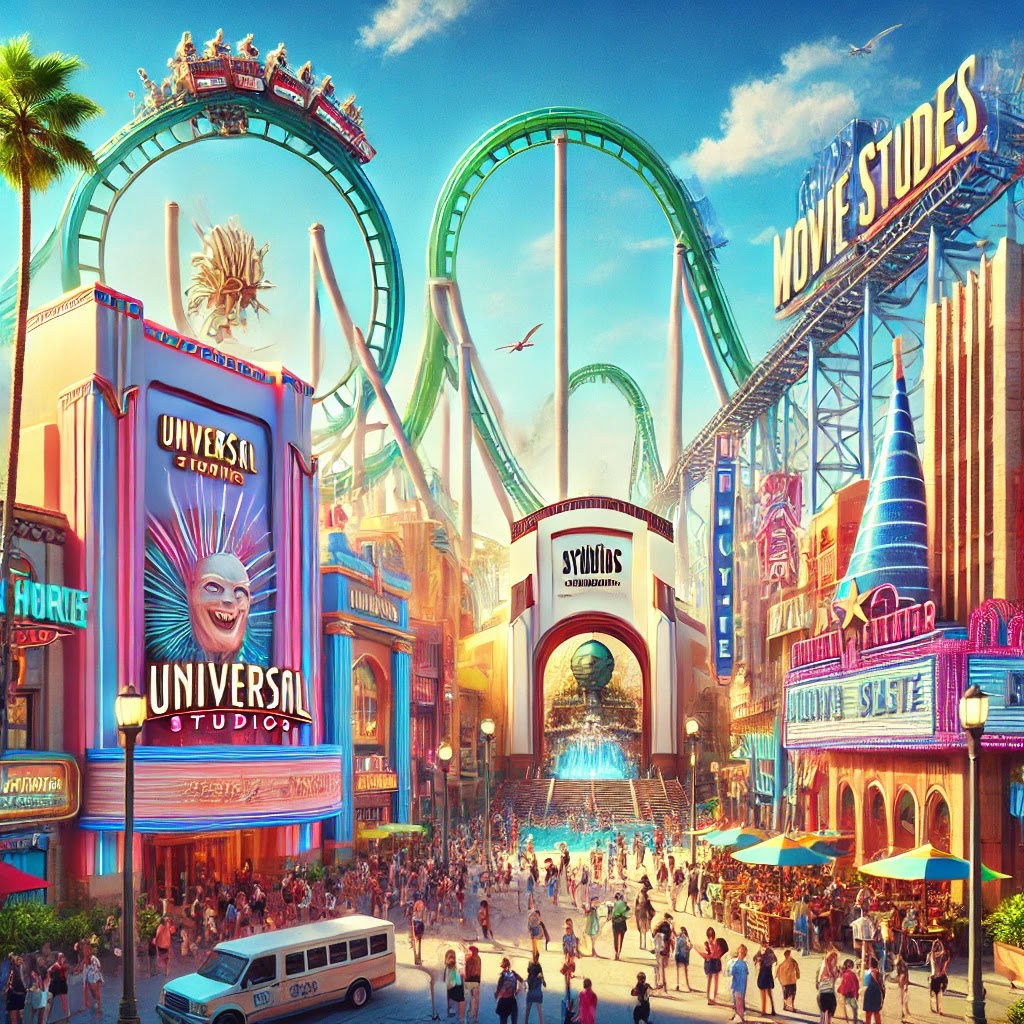
A Complete Guide to Universal Studios Universal Studios Hollywood is one of the most popular theme parks in the world, known for its thrilli...

Universal Studios Hollywood

A Complete Guide to Universal Studios

Universal Studios Hollywood is one of the most popular theme parks in the world, known for its thrilling rides, immersive experiences, and behind-the-scenes look at some of Hollywood’s most iconic movies and TV shows. Located in the heart of Los Angeles, California, Universal Studios Hollywood combines entertainment, cinema, and adventure to create a must-visit destination for tourists and locals alike. Whether you’re a film buff, a family looking for fun, or a thrill-seeker in search of heart-pounding rides, this park offers something for everyone.

In this article, we’ll explore the key attractions, tips, and must-know information about Universal Studios Hollywood to help you plan the perfect visit.

Key Attractions at Universal Studios Hollywood

1. The Wizarding World of Harry Potter

One of the most magical places in the park, The Wizarding World of Harry Potter transports you to the fantastical world of Hogwarts, Hogsmeade, and Diagon Alley. Enjoy rides like "Harry Potter and the Forbidden Journey", a thrilling 3D experience, and "Flight of the Hippogriff", a family-friendly roller coaster. Don’t forget to grab a Butterbeer while you’re there and explore Ollivanders to pick out your own wand!

2. Jurassic World – The Ride

Step into the world of dinosaurs with "Jurassic World – The Ride". This reimagined water ride brings you face-to-face with lifelike animatronics, including the ferocious Indominus Rex. The exciting drop at the end will leave you soaked but exhilarated.

3. The World-Famous Studio Tour

One of the most iconic experiences at Universal Studios Hollywood is the "Studio Tour", where you can go behind the scenes of real movie sets and learn the tricks of the trade. The tour takes you through sets of famous films, including "Jaws", "Psycho", and "War of the Worlds". The highlight of the tour is the 3D "King Kong" and "Fast & Furious" experiences, where cutting-edge technology brings the movies to life.

4. The Simpsons Ride

Fans of "The Simpsons" will love this 3D motion-simulator ride, which takes you on a wild adventure through Springfield. After the ride, explore the Simpsons-themed area and grab a bite to eat at Krusty Burger or enjoy a cold Duff Beer at Moe’s Tavern.

5. Transformers: The Ride-3D

This high-speed, immersive 3D ride takes you into the action-packed world of Transformers, where you join Optimus Prime and Bumblebee to save the world from the Decepticons. The combination of realistic effects, motion simulation, and 3D visuals makes this ride a must-experience for action lovers.

6. Despicable Me Minion Mayhem

Perfect for families, this 3D ride is based on the beloved "Despicable Me" franchise. You’ll join Gru, his daughters, and the mischievous Minions on a hilarious adventure, followed by a dance party at Super Silly Fun Land.

Tips for Visiting Universal Studios Hollywood

1. Buy Tickets in Advance

To avoid long lines at the entrance, purchase your tickets online before your visit. You can also opt for an "Express Pass", which allows you to skip regular lines at most rides and attractions, saving you time and allowing you to enjoy more of the park.

2. Arrive Early

Universal Studios Hollywood tends to get crowded, especially during peak seasons. Arriving early not only gives you a head start on popular rides but also allows you to explore the park at a more leisurely pace before the crowds pour in.

3. Stay Hydrated and Wear Comfortable Clothing

Southern California is known for its sunny weather, so be sure to stay hydrated throughout the day. Wear comfortable clothing and shoes, as you’ll be walking and standing for long periods.

4. Download the Universal Studios App

The official Universal Studios Hollywood app is a handy tool for checking wait times, show schedules, and dining options. It can also help you navigate the park more efficiently.

5. Take the Studio Tour Early

The "Studio Tour" is one of the most popular attractions in the park, and lines can get long later in the day. Try to do the tour early to beat the crowds and enjoy a more relaxed experience.

Dining at Universal Studios Hollywood

From quick snacks to full meals, Universal Studios Hollywood offers a variety of dining options. Some fan-favorite spots include:

- Three Broomsticks in The Wizarding World of Harry Potter for traditional British fare like fish and chips and shepherd’s pie.

- Krusty Burger in Springfield for a taste of The Simpsons' most iconic meal.

- Jurassic Café near the Jurassic World ride for Costa Rican-inspired dishes.

For those looking for a more upscale experience, CityWalk, located just outside the park, offers a range of restaurants, from Italian cuisine to steakhouses.

Special Events and Seasonal Attractions

Throughout the year, Universal Studios Hollywood hosts various special events, such as "Halloween Horror Nights", where the park transforms into a series of terrifying haunted mazes. During the holidays, you can enjoy Christmas-themed attractions like "Grinchmas" and festive decorations throughout the park.

Final Thoughts

Universal Studios Hollywood is a must-visit destination for anyone in the Los Angeles area. With its thrilling rides, interactive shows, and behind-the-scenes tours, it offers a unique blend of Hollywood magic and family-friendly entertainment. Whether you’re a movie buff or simply looking for a day of adventure, Universal Studios Hollywood guarantees an unforgettable experience.

Plan your trip today and get ready to step into the movies!

Yellowstone Explorer: Trails, Wildlife, and Natural Beauty Yellowstone National Park, established in 1872, holds the distinction of being th...

Yellowstone_National_Park

Yellowstone Explorer: Trails, Wildlife, and Natural Beauty

Yellowstone National Park, established in 1872, holds the distinction of being the first national park in the world. Located primarily in the state of Wyoming, though it extends into Montana and Idaho, Yellowstone covers over 2.2 million acres of rugged wilderness, geothermal wonders, and diverse ecosystems. Its creation marked a significant moment in the conservation movement, and today, it remains a symbol of the natural beauty and ecological diversity that national parks strive to protect.

Geothermal Features and Geology

One of the most striking aspects of Yellowstone National Park is its geothermal activity. The park sits atop a volcanic hotspot, resulting in the largest concentration of geysers, hot springs, mudpots, and fumaroles in the world. The most famous of these is Old Faithful, a geyser that has earned its name by consistently erupting approximately every 90 minutes for thousands of years. Other notable geothermal features include the Grand Prismatic Spring, known for its vibrant colors caused by thermophilic bacteria, and the Norris Geyser Basin, one of the hottest and most dynamic areas in the park.

The geothermal features of Yellowstone are not just visually stunning; they are a window into the earth’s interior. The Yellowstone Caldera, a massive volcanic crater, is responsible for the park’s geothermal activity. This supervolcano has erupted several times in the past two million years, with the last major eruption occurring approximately 640,000 years ago. While it is currently dormant, the geothermal activity serves as a reminder of the powerful forces that have shaped the landscape over millennia.

Wildlife and Ecosystems

Yellowstone is home to a rich diversity of wildlife, making it a prime destination for nature enthusiasts and wildlife photographers. The park’s large mammals are among its most famous inhabitants. Bison, the largest land mammals in North America, roam freely across the park's plains. Yellowstone’s bison herd is the oldest and largest public bison herd in the United States, representing a significant conservation success story.

Other iconic species include grizzly bears, wolves, elk, and moose. The reintroduction of wolves to Yellowstone in 1995, after a 70-year absence, has had profound ecological impacts. The presence of wolves has helped to regulate prey populations, such as elk, which in turn has allowed vegetation like willow and aspen to recover, benefiting a range of other species, including beavers and songbirds. This is a prime example of a trophic cascade, where the introduction or removal of a species significantly impacts the entire ecosystem.

Yellowstone's ecosystems range from alpine forests to vast grasslands and wetlands. The park is divided into several ecological zones, each supporting different plant and animal communities. The diversity of habitats makes Yellowstone a crucial refuge for many species, some of which are endangered or threatened.

Cultural and Historical Significance

Yellowstone is not just a natural wonder; it also has deep cultural and historical significance. For thousands of years before the arrival of European settlers, Native American tribes, including the Shoshone, Bannock, and Crow, lived in and around the Yellowstone region. These tribes had a profound connection to the land, which they considered sacred. Many of the park’s features, such as the geysers and hot springs, played a significant role in their cultural and spiritual practices.

The park's establishment in 1872 was a landmark event in the history of conservation. The idea of preserving vast tracts of wilderness for public enjoyment and protection was revolutionary at the time. The park's creation set a precedent that led to the establishment of the National Park Service in 1916 and inspired the creation of national parks worldwide.

Conservation Challenges and Future Outlook

Despite its protected status, Yellowstone faces numerous challenges. Climate change poses a significant threat to the park's ecosystems. Rising temperatures and changing precipitation patterns are altering the distribution of plant and animal species, melting glaciers, and increasing the frequency of wildfires. These changes could have profound effects on the park’s biodiversity and the functioning of its ecosystems.

Invasive species, such as non-native fish, also threaten the park’s native species. Efforts to control these species and restore native populations, such as the Yellowstone cutthroat trout, are ongoing. Additionally, the increasing number of visitors to the park poses a challenge to preserving its natural beauty and ecological integrity. Balancing the demands of tourism with the need for conservation is an ongoing struggle for park management.

Despite these challenges, Yellowstone National Park remains a beacon of natural beauty and ecological importance. Its geothermal wonders, diverse wildlife, and rich history continue to captivate and inspire millions of visitors each year. The park’s enduring appeal lies not only in its stunning landscapes but also in its role as a symbol of the importance of preserving the natural world for future generations.

In conclusion, Yellowstone National Park is more than just a travel destination; it is a living laboratory of natural processes, a sanctuary for wildlife, and a testament to the value of conservation. Its unique geological features and diverse ecosystems offer a glimpse into the Earth's dynamic history, while its role in the conservation movement underscores the importance of protecting our natural heritage. As we look to the future, the continued preservation of Yellowstone and its wonders will be essential in maintaining the ecological and cultural treasures that make it a global icon.

The best time to visit Yellowstone National Park depends on what you want to experience, as the park offers different attractions and activities throughout the year:

Spring (April to June):

- Wildlife Viewing: This is a great time to see baby animals like bison calves and bear cubs. Bears are often seen in the lower valleys as they come out of hibernation.

- Fewer Crowds: Early spring sees fewer visitors, making it ideal if you prefer a quieter experience.

- Weather: Be prepared for unpredictable weather, including snow, rain, and chilly temperatures. Some roads and facilities may still be closed in early spring.

Summer (July to August):

- Full Accessibility: All park roads, visitor centers, and facilities are open. This is the best time to explore the park’s full range of activities and attractions, from geysers to hiking trails.

- Warm Weather: Temperatures are generally pleasant, ranging from the 70s to 80s °F (20s to 30s °C) during the day, though it can still be chilly at night.

- Peak Crowds: Summer is the most popular time to visit, so expect larger crowds, especially at major attractions like Old Faithful.

Fall (September to October):

- Beautiful Scenery: Fall brings vibrant foliage, especially in late September and early October. The changing colors of the aspens and cottonwoods are stunning.

- Wildlife Activity: This is the rutting (mating) season for elk, making it a great time for wildlife viewing and photography. Bears are also more active as they prepare for hibernation.

- Cooler Weather: Temperatures begin to drop, and there may be occasional snowfall by late October. Crowds thin out after Labor Day, offering a more peaceful experience.

Winter (November to March):

- Snow Activities: Yellowstone transforms into a winter wonderland, offering activities like snowmobiling, cross-country skiing, and snowshoeing. Guided snowcoach tours are also popular.

- Fewer Visitors: Winter is the least crowded time to visit, providing a serene and unique experience. You might have popular sights almost to yourself.

- Cold Temperatures: Be prepared for very cold weather, with temperatures often below freezing. Many roads are closed, so access is limited, primarily to the area around Mammoth Hot Springs and Old Faithful via guided tours.

Conclusion:

- Best for Wildlife and Fewer Crowds: Spring (April-June) and Fall (September-October)

- Best for Full Access and Warm Weather: Summer (July-August)

- Best for Winter Sports and Unique Scenery: Winter (November-March)

Each season offers something special, so the best time to visit really depends on your interests and how you want to experience the park.

Here are some official and useful links about Yellowstone National Park:

1. National Park Service (NPS) Official Yellowstone Site:

   - [Yellowstone National Park - NPS](https://www.nps.gov/yell/index.htm)

   - This is the official website of Yellowstone National Park, managed by the National Park Service. It includes detailed information on planning your visit, park alerts, maps, and more.

2. Yellowstone National Park Lodges:

   - [Yellowstone National Park Lodges](https://www.yellowstonenationalparklodges.com/)

   - This site provides information on lodging, dining, and activities within the park. It’s the go-to resource for booking accommodations at park lodges.

3. Yellowstone Forever:

   - [Yellowstone Forever](https://www.yellowstone.org/)

   - Yellowstone Forever is the official nonprofit partner of Yellowstone National Park. Their site includes educational resources, ways to support the park, and information on guided tours and programs.

4. Visit Yellowstone - Travel Wyoming:

   - [Visit Yellowstone - Travel Wyoming](https://travelwyoming.com/destinations/national-parks/yellowstone-national-park/)

   - This page from Travel Wyoming offers travel tips, guides, and recommendations for visiting Yellowstone, including attractions and activities within the Wyoming portion of the park.

5. Yellowstone National Park on TripAdvisor:

   - [Yellowstone National Park - TripAdvisor](https://www.tripadvisor.com/Tourism-g60999-Yellowstone_National_Park_Wyoming-Vacations.html)

   - A comprehensive resource for traveler reviews, photos, and tips for visiting Yellowstone, with suggestions for top things to do, places to stay, and more.

Discover the Magic of Disneyland Park Disneyland Park, often referred to as "The Happiest Place on Earth," is not just an amusemen...

Discover the Magic of Disneyland Park


Disneyland Park, often referred to as "The Happiest Place on Earth," is not just an amusement park but a cultural icon that has captured the hearts and imaginations of millions around the world. Located in Anaheim, California, Disneyland Park was the brainchild of Walt Disney, who envisioned a place where families could enjoy a magical experience together. Since its opening on July 17, 1955, Disneyland has become a symbol of innovation, creativity, and the enduring appeal of classic storytelling.

A Brief History

The concept of Disneyland originated in the early 1950s when Walt Disney, inspired by his visits to various amusement parks with his daughters, decided to create a place that would be different from the typical amusement parks of the time. He wanted a clean, safe, and immersive environment where families could enjoy a variety of themed attractions. With the help of some of the best designers, engineers, and artists, Disneyland was constructed in just over a year, despite skepticism and financial challenges.

On its opening day, Disneyland faced numerous challenges, including malfunctioning rides, food shortages, and overcrowding. Despite these initial setbacks, the park quickly became a success, drawing visitors from around the world. It was the first theme park of its kind, featuring meticulously crafted lands such as Adventureland, Fantasyland, Frontierland, and Tomorrowland, each offering unique experiences based on different themes.

Thematic Design and Innovation

One of the most remarkable aspects of Disneyland Park is its thematic design. Unlike traditional amusement parks, which often featured disconnected rides and attractions, Disneyland was designed with a cohesive narrative in mind. Each land within the park tells its own story, immersing visitors in a different world. For example, Fantasyland transports guests into the heart of classic Disney fairy tales, while Tomorrowland offers a glimpse into the future as imagined in the 1950s.

The attention to detail in every aspect of the park's design is one of its defining features. From the architecture to the landscaping, every element is carefully crafted to enhance the overall experience. The park's signature attraction, Sleeping Beauty Castle, serves as the central focal point, embodying the magical and timeless quality that Disneyland represents.

Innovation has always been at the core of Disneyland's success. The park introduced groundbreaking technology in its attractions, such as the use of animatronics in rides like "Pirates of the Caribbean" and "The Haunted Mansion." These innovations set new standards for the theme park industry and continue to influence the design of attractions worldwide.

Cultural Impact and Legacy

Disneyland's impact on popular culture is immeasurable. It has become a pilgrimage site for Disney fans and families, who come to experience the magic that has been a part of American culture for generations. The park has also been a source of inspiration for other Disney parks around the world, including Walt Disney World in Florida, Disneyland Paris, Tokyo Disneyland, and others.

The cultural significance of Disneyland extends beyond its physical boundaries. It has been featured in countless films, television shows, and other media, further embedding it into the fabric of global popular culture. The park has also been a venue for significant events, including the launch of new Disney films, television specials, and even presidential visits.

Disneyland's legacy is also tied to its ability to evolve with the times while maintaining its core values. The park continues to introduce new attractions and experiences, such as the addition of Star Wars: Galaxy's Edge in 2019, which allows guests to explore the Star Wars universe. These expansions reflect Disneyland's commitment to innovation and its ability to stay relevant in a rapidly changing entertainment landscape.

Conclusion

Disneyland Park is more than just a theme park; it is a testament to the power of imagination, storytelling, and innovation. It has touched the lives of millions of people, providing a place where dreams come to life. Walt Disney's vision of a place where families could enjoy magical experiences together has not only been realized but has also exceeded expectations, making Disneyland a timeless and beloved destination for generations to come.

Visiting Disneyland Park can be a magical experience, but to make the most of your trip, it's important to plan ahead. Here's a guide on how to visit Disneyland Park:

1. Planning Your Visit

Choose the Right Time to Visit:

Season: Disneyland is busiest during holidays, school breaks, and weekends. To avoid large crowds, consider visiting during the off-peak season, such as mid-week in late January, February, or September.

Special Events: Check the Disneyland calendar for special events, seasonal celebrations, or ride closures that may affect your visit.

Book Your Tickets:

Types of Tickets: Disneyland offers various ticket options, including single-day tickets, multi-day tickets, and Park Hopper tickets that allow access to both Disneyland Park and Disney California Adventure Park on the same day.

Advance Purchase: Buy your tickets in advance online to save time and possibly money. Consider whether you want a one-day pass, a multi-day pass, or a Park Hopper ticket.

Reservations: Since 2021, Disneyland has required both a ticket and a park reservation. Make sure to secure your reservation for the date(s) you plan to visit.

Accommodation:

On-Site Hotels: Staying at a Disneyland Resort hotel offers benefits like early park entry and convenient access to the parks.

Off-Site Hotels: There are also numerous hotels within walking distance or a short shuttle ride from the park, often at a lower cost.

2. Getting There

By Car: Disneyland is located in Anaheim, California, just off Interstate 5. If you’re driving, plan your route in advance and be aware of parking fees. The park has several parking lots, including those for general parking and preferred parking.

By Air: The nearest airports are John Wayne Airport (SNA) in Orange County and Los Angeles International Airport (LAX). From the airport, you can rent a car, use a shuttle service, or take a ride-share to get to Disneyland.

Public Transportation: You can use the Anaheim Resort Transportation (ART) shuttle, which services local hotels and the park, or take an Amtrak train to the nearby Anaheim Station.

3. Navigating the Park

Park Maps and App:

Disneyland App: Download the Disneyland app to check wait times, view maps, make dining reservations, and find characters. The app is essential for managing your day efficiently.

Physical Map: Pick up a physical map at the park entrance for a traditional overview of the park layout.

Rides and Attractions:

Prioritize Your Must-Do Rides: Disneyland offers a variety of attractions for all ages. Popular rides include "Space Mountain," "Pirates of the Caribbean," and "Indiana Jones Adventure." Make a list of your must-see attractions and prioritize them.

Use Genie+ and Lightning Lane: Disneyland's Genie+ service allows you to skip the regular standby line for certain attractions. Purchase it through the app on the day of your visit to maximize your time.

Entertainment and Parades:

Shows and Parades: Check the daily schedule for parades, fireworks, and live shows. Some popular events include the "Disneyland Forever" fireworks show and the "Fantasmic!" nighttime spectacular.

Character Meet-and-Greets: Find your favorite Disney characters throughout the park. The Disneyland app can help you locate where and when characters will be available.

4. Dining at Disneyland

Dining Reservations: Popular dining options, especially character meals, can book up quickly. Make reservations up to 60 days in advance through the Disneyland app or website.

Quick Service: Disneyland offers a wide range of quick-service restaurants for a faster dining experience. Use the mobile order feature on the app to order food ahead of time and skip the lines.

Bringing Your Own Food: Guests are allowed to bring outside food and non-alcoholic beverages into the park. Utilize the picnic area outside the park entrance if you prefer to bring your own meals.

5. Tips for a Successful Visit

Arrive Early: To maximize your time in the park, aim to arrive before the official opening time. You'll experience shorter lines for popular rides during the first hour or so.

Stay Hydrated and Rested: Bring a refillable water bottle and take breaks throughout the day to avoid exhaustion. Disneyland can be overwhelming, especially for younger children, so consider taking a midday break.

Souvenirs: Shop for souvenirs early or during less busy times of the day to avoid crowds. Many stores remain open after the park closes.

Plan for the Weather: Southern California weather is generally mild, but it can get hot in the summer and cool in the evenings. Dress in layers and bring sunscreen.

6. Accessibility and Safety

Accessibility: Disneyland is committed to providing an enjoyable experience for all guests. Services include wheelchair rentals, accessible attractions, and accommodations for guests with disabilities. The Disneyland app and Guest Relations can provide detailed information.

Health and Safety: Be aware of the park’s health and safety guidelines, which may include mask requirements, social distancing, and health screenings. Keep an eye on Disneyland’s official website for the most current information.

Conclusion

Visiting Disneyland Park requires careful planning, but the effort is worth it for the unforgettable experience you'll have. Whether you're a first-time visitor or a seasoned Disneyland fan, proper preparation will help you make the most of your time at this iconic destination. From thrilling rides to enchanting parades and everything in between, Disneyland Park truly offers something magical for everyone.


Breaking News

Most Visited Place

Petronas Towers Malaysia: Travel Guide 2026 – Best Hotels, Food, Culture & Things to Do in Kuala Lumpur

Discover Malaysia: The Iconic Petronas Towers Discover Malaysia: The Iconic Petronas Towers The Petronas Towers, also known as t...

HTML Sitemap