Explore, Dream, Discover. This is a world travel blog about beautiful destinations, with free tips and guides on how to travel the world!

Bodh Gaya - Sacred Pilgrimage Site of Enlightenment Discover Bodh Gaya: The Land of ...

Bodh Gaya: Bihar

Bodh Gaya - Sacred Pilgrimage Site of Enlightenment
Top attractions in Bodh Gaya

Discover Bodh Gaya: The Land of Enlightenment

Bodh Gaya, a UNESCO World Heritage Site in Bihar, India, is one of the most sacred places for Buddhists worldwide. It is the site where Gautama Buddha attained enlightenment under the Bodhi Tree.

Top Attractions in Bodh Gaya

  • Mahabodhi Temple: A 3rd-century BCE architectural marvel, central to Buddhist pilgrimage.
  • Bodhi Tree: A descendant of the tree under which Buddha meditated and attained enlightenment.
  • Great Buddha Statue: A 25-meter tall statue symbolizing peace and mindfulness.
  • Buddhist Monasteries: Beautiful monasteries built by countries like Thailand, Japan, and Bhutan.
  • Dungeshwari Caves: A serene meditation site used by Buddha before his enlightenment.

Cultural Significance and Local Lifestyle

Bodh Gaya is not only a spiritual hub but also a cultural melting pot. Visitors can witness traditional Buddhist rituals, chants, and meditation practices. The local lifestyle is simple and revolves around spirituality. The markets here offer Buddhist artifacts, books, and handmade crafts.

Places to Visit Near Bodh Gaya

  • Rajgir: Famous for its hot springs and ancient Buddhist sites.
  • Nalanda: Renowned for its ancient university and historic significance.
  • Gaya: A Hindu pilgrimage site known for the Vishnupad Temple.

Hotels Near Bodh Gaya

  • Hotel Sujata: A modern hotel located near the Mahabodhi Temple.
  • The Bodhgaya Hotel School: An eco-friendly hotel supporting social initiatives.
  • Maha Bodhi Hotel Resort & Convention Centre: Ideal for luxury travelers.
  • Siddhartha International: A mid-range option with good amenities.

How to Reach Bodh Gaya

  • By Air: The nearest airport is Gaya International Airport, 17 km away.
  • By Train: Gaya Junction is the closest railway station, 16 km from Bodh Gaya.
  • By Road: Well-connected through highways with regular buses and taxis.

Nightlife in Bodh Gaya

Bodh Gaya's nightlife is tranquil and serene, reflecting its spiritual essence. Visitors often participate in evening meditation sessions at monasteries or attend Buddhist chanting at the Mahabodhi Temple. For a relaxed evening, you can explore cafes and small eateries that stay open late, offering traditional meals and herbal teas.

Festivals in Bodh Gaya

  • Buddha Purnima: Celebrated on the full moon day in April/May, this festival marks Buddha's birth, enlightenment, and death. The Mahabodhi Temple is beautifully decorated, and rituals are held all day.
  • Kathina Ceremony: Held in October/November, this festival involves offering robes to monks and is a significant event in Buddhist culture.
  • Magha Puja: Celebrated in February/March, this festival commemorates an important gathering of Buddha's disciples.

Favorite Foods in Bodh Gaya

Bodh Gaya offers a blend of traditional Indian and Buddhist-inspired cuisines. Popular dishes include:

  • Khichdi: A simple yet flavorful dish made with rice, lentils, and spices.
  • Litti Chokha: A traditional Bihari dish made with wheat balls stuffed with sattu (roasted gram flour) and served with mashed vegetables.
  • Thukpa: A Tibetan noodle soup that is widely enjoyed in the area.
  • Momox: Tibetan dumplings filled with vegetables or meat.

Tourism Places in Bodh Gaya

  • Mahabodhi Temple: The heart of Bodh Gaya and a UNESCO World Heritage Site.
  • Great Buddha Statue: A magnificent statue symbolizing peace and enlightenment.
  • Bodhi Tree: The sacred tree under which Buddha attained enlightenment.
  • Buddhist Monasteries: Explore monasteries from different countries, showcasing diverse architectural styles.
  • Dungeshwari Caves: A quiet meditation site with historical significance.

Falgu River: The Lifeline of Bodh Gaya

The Falgu River flows serenely through Bodh Gaya, adding to the town's tranquility. Pilgrims often perform rituals on its banks, and its surroundings provide a peaceful escape from the bustling town center.

Plan Your Visit

Bodh Gaya offers a transformative experience through its rich history, culture, and serene atmosphere. Whether you are a pilgrim or a traveler, this destination promises an unforgettable journey.

For more details, visit the official Bihar Tourism website.

0 comments:

Explore Mexico City: A Comprehensive Travel Guide Your ultimate resource for disco...

A Journey Through Mexico City: History, Culture, and Culinary Delights

Explore Mexico City: A Comprehensive Travel Guide

Your ultimate resource for discovering the vibrant heart of Mexico.

Introduction

Mexico City, the bustling capital of Mexico, is a vibrant metropolis that offers a unique blend of rich history, diverse culture, and modern innovation. With a population of over 9 million, it stands as one of the largest cities in the world and is a must-visit destination for travelers seeking adventure and cultural immersion.

Historical Significance

Built on the ruins of Tenochtitlan, the ancient Aztec capital, Mexico City is steeped in history. Key historical sites include:

  • Templo Mayor: A UNESCO World Heritage site offering a glimpse into Aztec civilization.
  • National Museum of Anthropology: Home to an extensive collection of pre-Hispanic artifacts.

Cultural Diversity

Mexico City is a melting pot of indigenous traditions and colonial influences. Each neighborhood has its own unique character:

  • Coyoacán: Known for its bohemian vibes and Frida Kahlo’s house.
  • Polanco: Famous for luxury shopping and fine dining.

Culinary Delights

The culinary scene in Mexico City is diverse and exciting. Must-try dishes include:

  • Tacos al pastor
  • Chiles en nogada
  • Churros

Visit local markets like Mercado de la Merced for authentic experiences.

Art and Architecture

The city is renowned for its artistic heritage, with notable sites such as:

  • Palacio de Bellas Artes: An architectural marvel showcasing Art Nouveau and Art Deco styles.
  • Street Art: Vibrant murals by famous artists adorn many buildings.

Parks and Green Spaces

Despite its urban environment, Mexico City offers beautiful parks:

  • Chapultepec Park: One of the largest city parks in the world, ideal for picnics and leisurely strolls.

Transportation

Getting around Mexico City is convenient with options such as:

  • Metro: An efficient and affordable way to navigate the city.
  • Ride-sharing services: Available throughout the city.

Safety Tips

While generally safe, it's important to take precautions:

  • Avoid displaying valuables.
  • Use reputable transportation options.
  • Stay informed about the neighborhoods you visit.

How to Visit Mexico City

Mexico City is accessible via the Mexico City International Airport (Aeropuerto Internacional Benito Juárez). You can use various transportation options to reach the city center, including:

  • Taxi: Available at the airport.
  • Metro: Affordable and efficient public transport.
  • Ride-sharing services: Convenient for direct routes.

Nearest Hotels

Here are some recommended hotels in Mexico City:

  • Hotel Zocalo Central: Located near the historic center.
  • InterContinental Presidente: Offers luxury accommodations in Polanco.
  • Hotel Casa Blanca: A budget-friendly option with great amenities.

For more options, visit TripAdvisor.

Tourist Attractions

Must-visit tourist attractions in Mexico City include:

  • Chapultepec Castle: A historic castle with stunning views.
  • Frida Kahlo Museum: The former home of the famous artist.
  • Palacio de Bellas Artes: A cultural landmark known for its architecture.

Gardens and Green Spaces

Enjoy the beautiful gardens in Mexico City:

  • Chapultepec Park: One of the largest city parks in the world, perfect for picnics and walks.
  • Jardin Botanico: A botanical garden showcasing diverse plant species.
  • Parque Mexico: A lovely park in the Condesa neighborhood, ideal for relaxation.

Conclusion

Mexico City is a vibrant destination filled with history, culture, and culinary delights. Whether you're

0 comments:

Introduction Located on the shores of the Arabian Sea in Mumbai, Juhu Beach is one of India’s most iconic and popular beaches, known for its...

JUHU BEACH (2024) All You Need to Know BEFORE You Go

Juhu beach sunset


Introduction


Located on the shores of the Arabian Sea in Mumbai, Juhu Beach is one of India’s most iconic and popular beaches, known for its scenic beauty, delicious street food, and vibrant atmosphere. Both locals and tourists flock to this bustling beach to enjoy beautiful sunsets, indulge in authentic Mumbai street food, and soak in the lively surroundings. In this comprehensive guide, we’ll explore everything you need to know about Juhu Beach and why it’s a must-visit destination in Mumbai.


1. The Charm of Juhu Beach


Juhu Beach has long been a favorite spot for relaxation and recreation among Mumbaikars and tourists alike. The expansive sandy shores, lined with coconut trees and the occasional Bollywood star, make it a unique spot. Whether it’s an early morning jog, an afternoon stroll, or an evening watching the sunset, Juhu Beach offers an escape from Mumbai’s urban rush.


2. Things to Do at Juhu Beach

Juhu beach photo


A. Enjoy the Sunset

One of the top attractions is the stunning sunset over the Arabian Sea. The beach provides a panoramic view as the sky transforms into vibrant hues of orange, pink, and purple.


B. Try Famous Mumbai Street Food

Juhu Beach is synonymous with some of the best street food in Mumbai. Visitors can try mouth-watering snacks such as:

   - Pani Puri: Tangy and spicy, it’s an absolute crowd favorite.

   - Pav Bhaji: A delicious blend of mashed vegetables served with buttery bread rolls.

   - Sev Puri and Bhel Puri: Popular snacks with crunchy textures and tangy flavors.

   - Kulfi and Ice Gola: Sweet treats to cool off in Mumbai’s warm weather.


C. Adventure Activities

For thrill-seekers, Juhu Beach offers activities such as horse riding, camel rides, and even volleyball. You can also occasionally find kite-flying enthusiasts adding color to the sky.


D. Visit Nearby Attractions

Juhu is also home to several landmarks and attractions, including:

   - ISKCON Temple: A beautiful, serene temple dedicated to Lord Krishna.

   - Prithvi Theatre: Known for showcasing quality performing arts, it’s a hub for theater enthusiasts.


3. Best Time to Visit Juhu Beach


The best time to visit Juhu Beach is during the winter months, from November to February, when the weather is pleasant and the humidity is lower. Monsoon season (June to September) is also a beautiful time, but heavy rains and strong tides can limit access to the beach.


4. Accommodation Around Juhu Beach


Juhu Beach is surrounded by some of Mumbai’s finest hotels. Options range from luxurious five-star hotels to budget accommodations, providing a range of choices for all travelers. Notable options include:

   - JW Marriott Mumbai Juhu: A luxury hotel offering splendid views of the Arabian Sea.

   - Sun-n-Sand Hotel: Known for its beachfront location and excellent service.

   - Novotel Mumbai Juhu Beach: Offers modern amenities with a view of the beach.


5. How to Reach Juhu Beach


Juhu Beach is easily accessible from various parts of Mumbai:

   - By Air: The nearest airport is Chhatrapati Shivaji Maharaj International Airport, about 5 km away.

   - By Train: The closest railway stations are Santacruz, Andheri, and Vile Parle.

   - By Road: Juhu Beach is well-connected by roads, with public transport options like buses, auto-rickshaws, and taxis available.


6. Tips for Visiting Juhu Beach

Juhu beach festival


   - Stay Safe: Avoid swimming, especially during high tides or monsoon seasons.

   - Carry Cash: Most food vendors only accept cash.

   - Stay Hydrated: The weather can be hot and humid, so bring plenty of water.

   - Respect the Environment: Dispose of waste responsibly and avoid littering on the beach.


7. Juhu Beach in Bollywood


Juhu Beach is closely tied to Bollywood, as it’s located near the residences of many Bollywood stars. It’s not uncommon to spot celebrities jogging or walking on the beach. Additionally, the beach has been featured in numerous Bollywood films, adding to its popularity.


8. Why Juhu Beach Should Be on Your Mumbai Itinerary


From its scenic beauty to its vibrant energy, Juhu Beach encapsulates the spirit of Mumbai. Whether you’re a nature lover, a foodie, or simply looking for a relaxing spot to watch the sunset, Juhu Beach has something to offer. Its cultural significance, proximity to Bollywood, and the variety of activities make it a must-visit location in Mumbai.


Conclusion


Juhu Beach is more than just a beach; it’s an experience that showcases the essence of Mumbai. With its lively atmosphere, amazing food, and stunning views, Juhu Beach is the perfect destination for anyone looking to enjoy the heart of the city. So, the next time you’re in Mumbai, make sure to add Juhu Beach to your itinerary for an unforgettable experience!

0 comments:

Mount Kilimanjaro , the tallest mountain in Africa and one of the most iconic trekking destinations worldwide, offers an unforgettable adven...

Kilimanjaro | Height, Map, Country, & Facts

Mount Kilimanjaro


Mount Kilimanjaro, the tallest mountain in Africa and one of the most iconic trekking destinations worldwide, offers an unforgettable adventure for climbers. Located in Tanzania, this dormant volcano attracts thousands of trekkers annually. With various climbing routes, breathtaking landscapes, and a challenging but achievable summit, Mount Kilimanjaro is on many bucket lists. In this guide, we’ll cover everything you need to know to successfully climb Kilimanjaro, including tips for choosing the best route, training advice, and expert recommendations to help you prepare for your journey.


Why Climb Mount Kilimanjaro?


1. Unique Biodiversity: Kilimanjaro’s slopes boast five distinct ecological zones – from lush rainforests to alpine deserts and icy peaks – all within one climb.

2. Bucket List Achievement: Reaching Kilimanjaro's summit is an impressive feat that doesn’t require technical climbing skills, making it accessible for many.

3. Cultural and Scenic Experience: From interactions with local guides to panoramic views over the African savannah, this climb offers a cultural and scenic richness hard to find elsewhere.


Best Time to Climb Mount Kilimanjaro


The best time to climb Kilimanjaro is during the dry seasons: January to mid-March and June to October. These months provide clearer weather, milder temperatures, and more stable trail conditions. However, the mountain can be climbed year-round, though it can be more challenging during the rainy seasons (April-May and November-December).


Kilimanjaro Climbing Routes

Mount Kilimanjaro has several popular routes, each with unique characteristics, scenic highlights, and difficulty levels:


1. Marangu Route (Coca-Cola Route)

- Length: ~5-6 days

- Difficulty: Moderate

- Highlights: Shorter trek, budget-friendly, hut accommodation

- Best For: Beginners who prefer a shorter trek and prefer sleeping in huts over tents


2. Machame Route (Whiskey Route)

- Length: ~6-7 days

- Difficulty: Challenging but scenic

- Highlights: Stunning views, acclimatization-friendly

- Best For: Experienced hikers who want a longer, more scenic climb


3. Lemosho Route

- Length: ~7-8 days

- Difficulty: Moderate to challenging

- Highlights: High success rate, gradual acclimatization, and fewer crowds

- Best For: Trekkers looking for a scenic and immersive experience with a higher chance of summit success


4. Rongai Route

- Length: ~6-7 days

- Difficulty: Moderate

- Highlights: Unique views, less crowded, approaches from the north

- Best For: Those seeking solitude and a quieter route with moderate difficulty


5. Northern Circuit

- Length: ~9 days

- Difficulty: Challenging, but with high success rates

- Highlights: Remote trail, panoramic views, excellent acclimatization

- Best For: Adventurers with extra time who want an extended experience and a higher summit success rate


Preparing for Your Kilimanjaro Climb

Climbing Kilimanjaro is demanding, and preparation is key. Here’s a breakdown of essential preparation steps:


1. Physical Training

Prepare at least 8–12 weeks in advance with a mix of cardio, strength training, and endurance exercises. Hiking on hills or rough terrains will help your legs adjust to uneven surfaces and improve stamina.


2. Mental Preparation

Maintaining a positive mindset and adapting to the physical and mental demands of the climb are vital. Be mentally ready for challenges like altitude sickness, which can affect climbers regardless of fitness level.


3. Gear and Equipment

Packing the right gear, including a high-quality backpack, insulated sleeping bag, waterproof layers, trekking poles, and durable hiking boots, is crucial. Kilimanjaro's conditions vary, so having versatile clothing for both warm and frigid temperatures will keep you comfortable.


4. Acclimatization

The elevation gain is a key challenge on Kilimanjaro. Choosing a longer route and pacing yourself will improve your chances of adjusting to the altitude and reaching the summit.


How to Prevent Altitude Sickness on Kilimanjaro

Altitude sickness is a common concern, as Kilimanjaro’s summit stands at 5,895 meters (19,341 feet). Here are some tips to help prevent it:


- Choose a Route with Gradual Ascent: Opt for routes like the Lemosho or Northern Circuit for better acclimatization.

- Climb Slowly: Pacing yourself is critical. The Swahili phrase "Pole Pole," meaning "slowly, slowly," is the guiding mantra on Kilimanjaro.

- Stay Hydrated: Drinking at least 3-4 liters of water daily helps your body adjust to altitude.

- Consider Altitude Medications: Some climbers take medication like Diamox to help with acclimatization, though it’s best to consult a doctor first.


Kilimanjaro Summit Success Rates

Summit success rates vary by route and length. Generally, routes longer than seven days have higher success rates, often exceeding 85%. Shorter routes have lower success rates, particularly if they don’t allow adequate time for acclimatization.


Cost of Climbing Mount Kilimanjaro

The cost of climbing Kilimanjaro ranges from $1,500 to $5,000 USD depending on factors such as route choice, tour operator, group size, and level of service. Key expenses include park fees, guide fees, porter tips, equipment, and any additional services.


Top Tips for a Successful Kilimanjaro Trek

1. Choose a Reputable Tour Operator: A quality operator ensures experienced guides, proper safety standards, and ethical treatment of porters.

2. Prepare for Variable Weather: Kilimanjaro’s weather can change rapidly, so be prepared for a variety of conditions, from rain to freezing temperatures.

3. Listen to Your Guides: Guides know the mountain well and can offer advice to help you reach the summit safely.

4. Don’t Skimp on Acclimatization: Opting for a longer route and moving at a comfortable pace increases your chances of success.

5. Embrace the Experience: Climbing Kilimanjaro is as much about the journey as the destination. Take time to enjoy the beauty and diversity around you.


Post-Climb: What to Expect

After summiting, most trekkers descend quickly to reduce the impact of altitude. Many climbers experience a surge of accomplishment and awe upon completing the trek. Be prepared for tired legs, but also for the unforgettable memories and lifelong inspiration your journey will provide.


How to Visit Mount Kilimanjaro

1. Fly to Kilimanjaro International Airport (JRO): This airport is located about 40 minutes from Moshi, the main town near Kilimanjaro. Many international airlines operate flights to JRO, with layovers in cities like Amsterdam, Doha, or Addis Ababa.

2. Visa Requirements: Most travelers to Tanzania require a visa. Many can obtain a tourist visa on arrival at the airport or apply for an e-visa online before traveling.

3. Booking a Climb: You’ll need a licensed tour operator for the trek, as solo climbs are not allowed. Look for operators with a good reputation for safety and experience, and make arrangements for gear, guides, and accommodations.


Nearest Hotels to Mount Kilimanjaro

There are plenty of hotels in "Moshi" and "Arusha", two towns near Mount Kilimanjaro. Here are a few popular options:


1. Kilimanjaro Wonders Hotel - Moshi

   - A modern hotel with great views of the mountain, offering comfortable rooms and a restaurant.


2. Sal Salinero Hotel - Moshi

   - A popular mid-range option with a peaceful atmosphere, a pool, and lovely gardens.


3. Kaliwa Lodge - Machame Route area

   - A beautiful lodge located closer to the mountain. It has eco-friendly accommodations and stunning views of Kilimanjaro.


4. Gran Melia Arusha - Arusha

   - A luxury option about an hour from Kilimanjaro, with high-end amenities, ideal if you're seeking a relaxing stay before or after the climb.


Currency and Money Tips

1. Currency: The official currency in Tanzania is the "Tanzanian Shilling (TZS)". However, "US dollars" are widely accepted, especially for climbing fees, tours, and at hotels.

2. Exchange: You can exchange currency at banks or exchange bureaus in Moshi, Arusha, and at the airport.

3. Credit Cards: Major hotels and some shops accept credit cards, but it's best to carry cash for smaller purchases, especially in local markets.

4. ATMs: Available in larger towns like Moshi and Arusha, where you can withdraw Tanzanian Shillings. 


Frequently Asked Questions about Climbing Kilimanjaro

Q: Do I need technical climbing skills for Kilimanjaro?  

Ans: No. Kilimanjaro is a trek, not a technical climb, meaning you can reach the summit without mountaineering skills.


Q: Can anyone climb Kilimanjaro?  

Ans: Anyone in good health, reasonably fit, and well-prepared can climb Kilimanjaro. With proper training and acclimatization, many climbers reach the summit successfully.


Q: Is Kilimanjaro safe to climb?

Ans: Kilimanjaro is generally safe when climbed with experienced guides and proper preparation. However, altitude sickness can pose risks, so proper acclimatization is crucial.


Q: How cold is it at the summit? 

Ans: Temperatures at Kilimanjaro's summit can drop to -20°C (-4°F) or lower. Packing warm clothing is essential.


Final Thoughts

Climbing Mount Kilimanjaro is a remarkable achievement and a journey unlike any other. With diverse routes to choose from, options for varying difficulty levels, and stunning scenery, Kilimanjaro offers something for everyone. Proper preparation, mental resilience, and a spirit of adventure will make your climb safe, enjoyable, and successful.

0 comments:

  Introduction to Trevi Fountain The Trevi Fountain ( Fontana di Trevi ) is one of Rome’s most iconic landmarks, renowned for its stunning ...

Why You Should Toss a Coin into Rome’s Trevi Fountain – And What It Means

 
Why You Should Toss a Coin into Rome’s Trevi Fountain – And What It Means

Introduction to Trevi Fountain

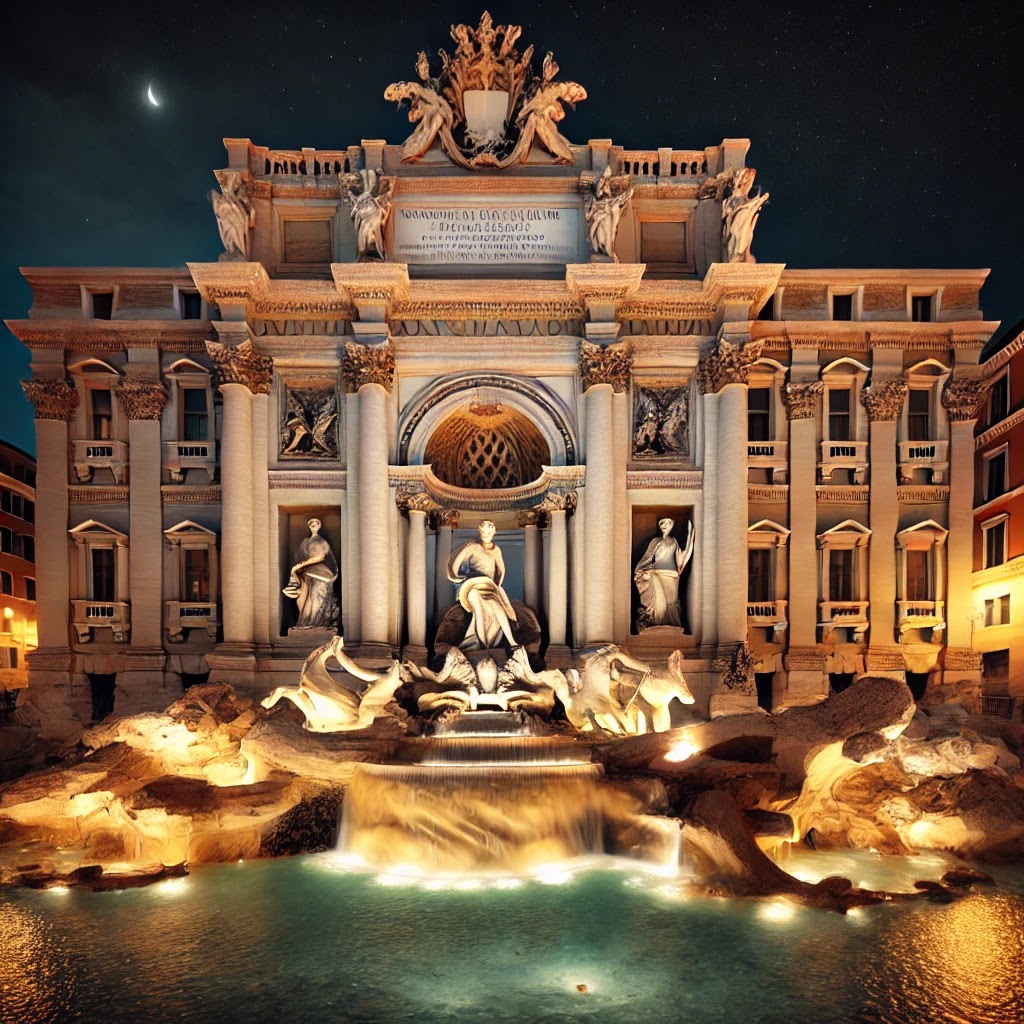
The Trevi Fountain (Fontana di Trevi) is one of Rome’s most iconic landmarks, renowned for its stunning Baroque design and grand scale. Standing at 26 meters (85 feet) high and 49 meters (161 feet) wide, it is the largest fountain in Rome. The fountain, designed by Italian architect Nicola Salvi and completed by Giuseppe Pannini in 1762, features a dramatic sculpture of Neptune, the god of the sea, flanked by Tritons and other mythological figures.


Culture

Trevi Fountain holds a special place in Roman culture and has become a symbol of the city itself. The act of tossing a coin into the fountain is a beloved tradition, said to guarantee a return trip to Rome. Visitors throw over a million euros into the fountain each year, which is collected and donated to charity. The fountain has also been a setting for numerous films, most famously in 'La Dolce Vita' by Federico Fellini, solidifying its cultural significance.


History

The history of the Trevi Fountain dates back to ancient Roman times. It marks the terminal point of the Aqua Virgo aqueduct, constructed in 19 BC by Marcus Agrippa to supply water to the Roman baths and city fountains. The present fountain, however, began construction in 1732 under Pope Clement XII. Nicola Salvi won the commission, beating out many other architects of the time. Despite Salvi’s death in 1751, Giuseppe Pannini took over, completing the project in 1762.


Mystery 

A sense of mystery surrounds the fountain, tied to its long history and dramatic design. One legend holds that if a couple drinks from the fountain together, their love will last forever. Another is the famous coin-tossing ritual, where the first coin guarantees a return to Rome, a second ensures romance, and a third guarantees marriage. There is also a historical "treasure" element, with many coins being discovered at the bottom of the fountain over time.


Why Throw a Coin in the Trevi Fountain?  

Coin Photo of Trevi Fountain


The tradition of throwing a coin into the Trevi Fountain is based on a romantic legend that claims doing so ensures your return to Rome. According to the custom:  

1. First coin: Guarantees that you will return to Rome one day.  

2. Second coin: Ensures you will find love.  

3. Third coin: Brings the promise of marriage.  

To follow the tradition, you're supposed to throw the coin with your 'right hand over your left shoulder', without looking back. This practice has become hugely popular, with millions of euros tossed into the fountain each year, which are collected and donated to charity.


What God is in the Trevi Fountain?  

Trevi Fountain God


The central figure in the Trevi Fountain is 'Neptune', the Roman god of the sea (known as Poseidon in Greek mythology). He is depicted riding a chariot pulled by two sea horses, which represent the fluctuating moods of the sea—one calm and obedient, the other wild and rebellious. Neptune is surrounded by other mythological figures, such as Tritons (messengers of the sea) and allegorical figures that represent health and abundance.


How Do You 'Find Love' at the Trevi Fountain?  

The idea of 'finding love' at the Trevi Fountain comes from the second coin-tossing superstition, which suggests that throwing a second coin ensures romance. While it’s more of a symbolic gesture rather than a magical way to find love, many people participate in this ritual, hoping for romantic luck. The tradition has become an iconic part of visiting Rome, and couples often visit the fountain together to take part in this charming and hopeful practice.


Why the Trevi Fountain is Famous  

The Trevi Fountain is famous for its breathtaking Baroque architecture and its prominent cultural role in Rome. Its dramatic design, featuring Neptune at the center and intricate carvings of mythological figures, makes it a masterpiece of art and architecture. Several factors have contributed to its global fame:  

- Film Appearances: It gained international attention with films like 'La Dolce Vita' (1960), where the fountain played a key role in one of the most iconic scenes in cinema history.

- Coin-Tossing Tradition: The fountain is associated with the legend that tossing a coin over your shoulder into the water ensures a return to Rome, making it a must-visit spot for tourists.

- Cultural Symbol: Over time, it has become a symbol of Rome’s grandeur and historical charm, representing centuries of art, culture, and tradition.


Charges to Visit  

There is 'no entry fee' to visit the Trevi Fountain. It is free for all visitors, and you can spend as much time as you like admiring it. However, if you participate in the tradition of tossing coins, that’s the only real "cost" associated with your visit.


Nearest Hotels  

Several hotels near the Trevi Fountain provide a convenient stay for tourists. Here are a few nearby options:


- Hotel Trevi: Located just a minute away, this hotel offers easy access to the fountain and provides modern amenities in a historical setting.

- Hotel delle Nazioni: A 4-star hotel located about 5 minutes from the fountain, offering luxury accommodations and close proximity to other tourist sites.

- Relais Fontana di Trevi: A charming hotel that is situated right next to the fountain, offering rooms with views of the iconic landmark.

- Hotel Nazionale: A few minutes' walk from the fountain, this hotel offers elegant rooms in a historic building.


Nightlife Around Trevi Fountain  

The area surrounding Trevi Fountain offers a lively nightlife scene. While the fountain itself is a sight to behold at night (with beautiful illumination), the nearby streets are filled with restaurants, bars, and cafes.


- Rooftop Bars: Many hotels and restaurants in the vicinity have rooftop bars offering stunning views of the city, including spots like 'La Terrazza' at Hotel Eden, or 'Terrazza Borromini' near Piazza Navona.

- Wine Bars and Cocktail Lounges: Places like 'Il Chianti Vineria' offer authentic Italian wines, while 'Salotto 42' near the Pantheon is a popular lounge known for cocktails.

- 'Piazza di Pietra': Just a short walk from the fountain, this area is home to some stylish bars and bistros that stay open late.

- Late-Night Gelato: Trevi Fountain is close to some of the best gelaterias in Rome, such as 'Gelateria Valentino' and 'San Crispino', where you can grab a late-night gelato and enjoy it by the fountain.


Visiting Trevi Fountain at night offers a magical experience with fewer crowds and a serene atmosphere, making it the perfect backdrop for an evening stroll or enjoying a late dinner.


Festivals Near Trevi Fountain

While there are no specific festivals held directly at the Trevi Fountain, several cultural festivals and events occur throughout Rome that visitors can easily access from the fountain area:


1. Roma Summer Fest (June-August): Held at the Auditorium Parco della Musica, this music festival features world-renowned artists across different genres.


2. La Notte Bianca (White Night): Held annually in September, Rome stays awake all night with cultural events, museums, and shops open late. The Trevi Fountain area often participates with special lighting and performances.


3. Festa della Madonna della Neve (Festival of Our Lady of the Snow): Celebrated on August 5th, this religious festival involves a reenactment of a snow miracle at the nearby Basilica of Santa Maria Maggiore.


4. Rome Film Fest (October): Rome’s International Film Festival, hosted at the Auditorium Parco della Musica, features screenings, red carpet events, and cultural programming.


Nearest Tourism Gardens and Parks

1. Villa Borghese (about 20 minutes walking distance):  

   Rome’s largest and most famous park, Villa Borghese is a beautiful green space perfect for a relaxing break from sightseeing. Inside, you can explore the 'Borghese Gallery', a museum filled with masterpieces by artists like Bernini, Caravaggio, and Raphael. The park also offers bike rentals, boating on the lake, and picnic spots.


2. Gardens of the Quirinal Palace (10-minute walk):  

   Located near the Trevi Fountain, the Quirinal Palace is one of the official residences of the Italian president. While the gardens are only open to the public on specific days or tours, they offer beautiful views of the city and a peaceful escape in the heart of Rome.


3. Pincio Terrace and Gardens (20 minutes walk from the fountain):  

   Adjacent to Villa Borghese, Pincio Terrace offers a spectacular view of Piazza del Popolo and the city skyline. The surrounding gardens are a peaceful place to walk, especially at sunset.


Other Nearby Tourist Spots


1. Spanish Steps (10-minute walk):  

   A world-famous monumental stairway connecting Piazza di Spagna with the Trinità dei Monti church, the Spanish Steps are a popular spot for tourists to relax and take photos.


2. Pantheon (10-minute walk):  

   One of Rome’s most iconic ancient monuments, the Pantheon is an architectural marvel and a must-visit site near the Trevi Fountain.


3. Piazza Navona (15-minute walk):  

   This lively square is filled with stunning fountains, including Bernini’s Fountain of the Four Rivers, and surrounded by cafes and street performers.


These gardens and places offer a balance of relaxation, culture, and proximity to the city's main attractions, making them ideal stops during your visit to the Trevi Fountain.


How to Visit  

Trevi Fountain is centrally located in Rome, making it easily accessible. It is best visited during the early morning or late evening to avoid large crowds. The fountain is free to visit, and while it is open at all times, it is beautifully lit at night. The nearest metro stop is Barberini (Line A), and it’s a short walk from popular sites like the Spanish Steps and the Pantheon. Don't forget to toss a coin with your right hand over your left shoulder—one of Rome’s must-do traditions!


Tips for Visiting

- Arrive early or late in the evening to avoid crowds.

- Keep small change ready for the coin toss.

- Bring a camera for incredible photos, especially at night when the fountain is illuminated.

- Respect the fountain—avoid sitting on the edge or attempting to wade in the water (it’s prohibited). 


Visiting Trevi Fountain is not just about seeing an architectural masterpiece; it’s about participating in the rich traditions and legends that have made it a symbol of Rome.

0 comments:

  Marseille is the second-largest city in France, located on the Mediterranean coast in the Provence-Alpes-Côte d'Azur region. It is kno...

The Charming Old Port and Beaches of Marseille


Marseille is the second-largest city in France, located on the Mediterranean coast in the Provence-Alpes-Côte d'Azur region. It is known for its rich history, diverse culture, and significant role as a major port city. 


Marseille, located on France's Mediterranean coast, is famous for several reasons:


1. Ancient History: It is one of the oldest cities in France, founded around 600 BCE by Greek sailors. Known as "Massalia" in ancient times, it played a significant role in Mediterranean trade.


2. Port and Trade: Marseille has one of the largest and busiest ports in Europe, known as the Port of Marseille. This port has been central to the city's economic and cultural life for centuries, making it a melting pot of cultures.


3. Multiculturalism: As a port city, Marseille has long been a crossroads for people from Europe, Africa, and the Middle East. This diversity is reflected in the city's cuisine, architecture, and daily life.


4. Cuisine: The city is famous for its seafood, especially its signature dish, "bouillabaisse"—a traditional Provençal fish stew. Local markets and restaurants serve fresh Mediterranean catches.


5. Notre-Dame de la Garde: This iconic basilica, perched atop a hill, offers panoramic views of the city and its coastline. It's a major pilgrimage site and one of Marseille's most recognizable landmarks.


6. Cultural Influence: Marseille has a rich artistic and cultural scene, with influences from its immigrant communities. It was named the "European Capital of Culture" in 2013, which further boosted its cultural prominence.


7. Proximity to Calanques: The stunning "Calanques National Park", with its limestone cliffs, turquoise waters, and rugged landscapes, lies just outside Marseille and is a popular spot for hiking, swimming, and boating.


8. Sports: The city is home to "Olympique de Marseille (OM)", one of the most popular and successful football clubs in France.


These aspects, among others, contribute to Marseille's fame as a historic, culturally rich, and vibrant Mediterranean city.


Is Marseille very expensive?

Marseille is generally more affordable compared to other major French cities like Paris or Nice, but the cost of living can still vary depending on lifestyle choices and specific areas within the city. Here’s a breakdown of what to expect:


1. Housing: Rent in Marseille is typically lower than in Paris or other large French cities, especially in more central or up-and-coming areas. However, housing in more desirable locations, such as near the Old Port (Vieux-Port) or in districts like the 7th arrondissement, can be more expensive.


2. Food and Dining: Dining out can be quite affordable in Marseille, especially with its wide range of street food and local eateries. Traditional Mediterranean and North African influences make for diverse and reasonably priced food options. Higher-end restaurants and dining in tourist areas may be pricier.


3. Transport: Public transportation in Marseille (buses, trams, and the metro) is reasonably priced. The city also has several bike-sharing programs. Owning a car can be more expensive due to parking costs and fuel, but it’s not always necessary depending on where you live.


4. Entertainment: Cultural activities like visiting museums, galleries, or enjoying the city’s parks are usually not expensive. Major attractions like boat trips to the Calanques or guided tours could add up, but they're often worth the experience.


5. Utilities and Services: Utility costs (electricity, water, internet) are in line with national averages for France. Some luxury services and goods might be priced higher, particularly in the more tourist-driven parts of the city.


In summary, while Marseille is not as expensive as some of the bigger French cities, certain areas or activities can still be pricey. Overall, it offers a good balance between affordability and quality of life.


What food is Marseille famous for?

Marseille is famous for its distinctive Mediterranean cuisine, heavily influenced by its port and multicultural history. Some of the iconic foods from Marseille include:


1. Bouillabaisse: A traditional Provençal fish stew made with various types of Mediterranean fish, shellfish, herbs, and spices, often served with "rouille" (a garlicky saffron sauce) and crusty bread.


2. Panisse: A fried chickpea flour dish, often served as an appetizer or snack. It is crispy on the outside and soft on the inside, similar to polenta fries.


3. Navettes: These are boat-shaped biscuits flavored with orange blossom, typically eaten around Candlemas but available year-round.


4. Pieds et Paquets: A classic Marseille dish made with stuffed sheep’s tripe and stewed sheep’s feet, slowly cooked in a rich tomato, wine, and herb sauce.


5. Pastis: A popular anise-flavored spirit that is often consumed as an aperitif. It’s iconic to southern France, particularly Marseille, and is usually diluted with water before drinking.


6. Aioli: A garlicky mayonnaise-like sauce, traditionally served with boiled vegetables, seafood, or salt cod.


7. Tapenade: A spread made from finely chopped olives, capers, anchovies, and olive oil, often served with bread or crackers.


These dishes reflect the rich flavors of the Mediterranean and the unique cultural blend that Marseille is known for.


Where to avoid in Marseille?

While Marseille is a vibrant and culturally rich city, like any major urban area, there are some neighborhoods where caution is advised, especially for tourists. These areas are generally considered less safe due to higher crime rates or social challenges. Here are a few places to be cautious in:


1. Northern Districts (Les Quartiers Nord): The northern neighborhoods, including areas like "La Castellane", "Felix Pyat", and "La Busserine", are known for social housing and higher crime rates. These areas have experienced economic struggles, and while they are home to many local residents, they might not be ideal for tourists unfamiliar with the city.


2. Train Station Area (Gare Saint-Charles): The area around the main train station, particularly at night, can sometimes attract petty crime, such as pickpocketing or scams. While the station itself is safe and heavily monitored, it's advisable to remain alert in the surrounding streets, especially after dark.


3. Noailles and Belsunce: While these neighborhoods are close to the city center and bustling during the day, they can be less safe at night. These areas are known for their markets and multicultural atmosphere, but crime like theft or drug-related activity can occur after dark.


4. Canebière at Night: La Canebière is one of Marseille's main thoroughfares, but after dark, it can sometimes feel less secure, with occasional reports of muggings or petty crime. It’s fine to visit during the day but worth being more cautious in the late evening.


General Safety Tips:

- Stay in well-lit, busy areas: Tourist-friendly districts like the "Old Port (Vieux-Port)", "Le Panier", "Cours Julien", and "Corniche" are generally safe and offer plenty to see.

- Avoid isolated areas at night: Like many cities, it's best to avoid empty streets, especially late at night.

- Pickpockets: Be cautious in crowded areas like markets and public transport.


With basic precautions, Marseille is a wonderful city to explore, but staying aware of your surroundings can enhance your experience.


What is the crime rate in Marseille?

Marseille has a reputation for having a relatively high crime rate compared to other French cities, particularly in areas related to drug trafficking, gang violence, and petty crime. However, the level of crime varies significantly depending on the part of the city.


Here are some key details regarding crime in Marseille:


1. Violent Crime: Marseille has higher rates of violent crime, especially in the northern districts, where gang-related incidents, including shootings and drug-related violence, occur. These areas are generally away from tourist zones and are not frequented by visitors.


2. Petty Crime: Like many large cities, Marseille experiences issues with pickpocketing, especially in tourist-heavy areas such as the Old Port (Vieux-Port), public transportation, and crowded markets. Tourists should be mindful of their belongings, particularly in busy or crowded places.


3. Drug-Related Crime: Marseille has historically been a hub for drug trafficking, especially in certain neighborhoods. The northern districts are particularly affected by this, leading to higher crime rates in those areas.


4. General Safety: For most tourists and residents, daily life in Marseille is safe, particularly in well-populated and central areas like "Vieux-Port", "Le Panier", and "Cours Julien". While Marseille's crime statistics may seem high, much of the more serious crime is concentrated in specific areas that are not typical tourist destinations.


Crime Statistics:

- Overall crime rate: Marseille has a higher crime rate than other French cities, but much of this crime is localized to certain districts, particularly in the north.

- Petty theft: Pickpocketing and bag-snatching are more common in tourist areas, but violent crimes against tourists are relatively rare.


Conclusion:

While the crime rate in Marseille may be higher than in other French cities, most visitors who stay in central and well-frequented areas are unlikely to encounter serious problems. Staying alert and avoiding certain neighborhoods at night can help ensure a safe visit.


Why are there so many Muslims in Marseille?

Marseille has a large Muslim population due to several historical, geographical, and socio-economic factors that have shaped its demographics over time:


1. Historical Ties to North Africa:

   - Colonial History: France colonized much of North Africa, including Algeria, Morocco, and Tunisia, starting in the 19th century. During and after the colonial period, many North Africans migrated to France for economic opportunities, and Marseille, as a major Mediterranean port, became a natural entry point.

   - Algerian War of Independence (1954-1962): After the war, many pieds-noirs (French settlers from Algeria) and Algerians who supported France (harkis) moved to France, with Marseille being one of the cities where they settled.


2. Migration for Labor:

   - In the mid-20th century, France experienced a labor shortage and encouraged immigration from its former colonies, particularly from Algeria, Morocco, and Tunisia. Marseille, being an industrial hub and port city, attracted many of these workers due to its demand for labor in industries like shipping, construction, and manufacturing.

   - Many migrants settled permanently in Marseille, bringing their families and establishing communities.


3. Geographical Proximity:

   - Marseille’s location on the Mediterranean coast makes it geographically close to North Africa. As a port city, it has historically been a crossroads for people from various parts of the Mediterranean, including Muslim-majority countries like Algeria, Morocco, Tunisia, and even countries further east like Turkey and Lebanon.


4. Cultural and Economic Connections:

   - Marseille has maintained strong cultural and economic ties with the Maghreb (North Africa), leading to a continuous exchange of people, goods, and ideas. These ties have contributed to a large Muslim community and helped establish strong cultural networks that made it easier for further migration.


5. Multicultural Legacy:

   - Marseille has long been a multicultural city due to its status as a port and trade hub. Over time, the city has become home to a variety of ethnic groups, including Muslims from North Africa, Sub-Saharan Africa, and the Middle East. This diversity has contributed to a tolerant and diverse society where Muslim communities have become a significant part of the social fabric.


6. Second and Third Generation Immigrants:

   - Many Muslims in Marseille today are second or third-generation descendants of immigrants. While their ancestors may have come for work, they have now become integral parts of Marseille’s society, contributing to the city's culture, economy, and politics.


Present-day Marseille:

   - It is estimated that about 20-25% of Marseille’s population is of Muslim background, making it one of the largest Muslim communities in France. The presence of mosques, halal shops, and cultural institutions reflects the deep integration of Muslim culture into the city.


Marseille's rich, diverse, and complex history of migration and its proximity to North Africa are key reasons for its significant Muslim population.


What is the currency in Marseille?

The currency in Marseille, as in the rest of France, is the Euro (€). It is abbreviated as EUR. The Euro is the official currency used across 20 of the 27 European Union countries, and it is divided into 100 cents. You can use banknotes and coins for everyday transactions in Marseille, and credit cards are widely accepted as well.


How to visit

Visiting Marseille is relatively easy, and it offers a variety of options for travelers, depending on where you're coming from and your preferences. Here’s a guide to help you plan your trip:


1. By Air

   - Marseille Provence Airport (MRS) is the main airport serving the city, located about 27 km (17 miles) northwest of the city center.

   - Direct flights: Many airlines offer direct flights to Marseille from European cities, as well as international flights from North Africa, the Middle East, and occasionally from North America.

   - Transportation to the city: 

     - From the airport, you can take a shuttle bus (around 25 minutes to the city center), a taxi (around 20–30 minutes), or rent a car.


2. By Train

   - Marseille has excellent train connections, especially via France’s high-speed "TGV" network.

     - From Paris, it’s about 3 hours on the TGV.

     - From Nice or Lyon, it's 2 to 2.5 hours.

     - International routes: Trains also connect Marseille to other European cities, including Barcelona, Milan, and Brussels.

   - Gare Saint-Charles is the city’s main train station, centrally located and well-connected to public transportation.


3. By Car

   - Marseille is accessible by car from major cities in France and Europe. It’s connected by the A7 motorway (from the north) and A55 (from the west). If you're coming from Nice, you’ll take the A8 motorway along the coast.

   - Be aware of traffic congestion, particularly during peak hours or tourist seasons, and parking can be challenging in the city center.


4. By Bus

   - Long-distance bus services, like FlixBus or BlaBlaBus, offer affordable options to travel to Marseille from other cities in France and Europe. The buses usually stop at Gare Saint-Charles or nearby bus stations.


5. By Boat

   - Marseille’s Port of Marseille is one of the busiest in Europe, and several ferry services operate between Marseille and other Mediterranean destinations.

     - Ferries: You can take a ferry to/from Corsica, Sardinia, Tunisia, and Algeria.

     - Marseille is also a popular stop for Mediterranean cruises.


Getting Around Marseille:

- Public Transportation: Marseille has a reliable public transport system, including metro, trams, and buses. A day pass can be a good option for tourists.

- Walking: Many of the city's key attractions are within walking distance, especially around "Vieux-Port" and the historic "Le Panier" district.

- Taxis & Ride-Sharing: Taxis are available, but ride-sharing apps like Uber also operate in Marseille.

- Bikes: Marseille has a bike-sharing system called Le Vélo if you prefer cycling around the city.


Important Documents:

- Visa: If you are from the EU, Schengen Area, or several other countries, you may not need a visa for short stays (up to 90 days). Check visa requirements for France based on your nationality.

- Currency: Make sure to have some euros for smaller purchases, although credit and debit cards are widely accepted.


Best Time to Visit:

- Spring (April-June) and fall (September-October) are ideal due to mild weather and fewer crowds. Summer can be hot and crowded, especially around tourist areas.


Enjoy planning your trip! Marseille is a wonderful city with a lot to offer.

0 comments:

Amsterdam, with its beautiful canals and rich history, often gets the nickname "Sin City." But why is that? Let's take a close...

Amsterdam: The Sin City You Can’t Ignore


Amsterdam: The Sin City You Can’t Ignore


Amsterdam, with its beautiful canals and rich history, often gets the nickname "Sin City." But why is that? Let's take a closer look at what makes this vibrant city stand out in the world of nightlife, freedom, and, yes, a bit of sin.


The Red Light District: A Glimpse of Freedom


When you hear "Sin City," one of the first things that comes to mind is the Red Light District. This area is famous for its windows where sex workers openly display themselves. This unique approach to sex work is legal in Amsterdam, making it a stark contrast to many other places around the globe. It raises questions about morality and freedom. Is it wrong if everyone involved is consenting adults? Many believe that this openness leads to safer conditions for sex workers and clients alike. It challenges traditional views about sex and society.


Coffee Shops: More Than Just Coffee


Another major reason Amsterdam earns its "Sin City" title is the coffee shops where cannabis use is tolerated. Visiting one of these spots can feel like wandering into a different world. Instead of the smell of roasting beans, you’re greeted by the earthy scent of marijuana. It’s a unique experience that attracts many tourists. The relaxed laws around cannabis make Amsterdam a popular destination for those curious about its culture. But, does this mean it’s a free-for-all? Not quite. There are still rules, and knowing them can enhance your experience.


Festivals: Celebrating Freedom of Expression


Amsterdam loves to celebrate, and its festivals reflect the city's spirit of freedom and acceptance. Events like Amsterdam Pride and the Cannabis Cup draw visitors from all over, showcasing the city's progressive values. These festivals are not only about fun but also push for awareness and rights for different communities. It’s an explosion of colors, music, and freedom, making for a party atmosphere that’s hard to resist.


The Culture of Acceptance


What really sets Amsterdam apart is its culture of acceptance. The locals have a live-and-let-live attitude. People can openly express who they are without fear of judgment. This openness creates a unique environment that feels both freeing and exhilarating. The city encourages exploration, allowing visitors to discover parts of themselves they might not have known existed. Isn't that what travel is all about?


Conclusion: More Than Just Sin


So, is Amsterdam really a "Sin City"? Yes, if you’re solely considering the open attitudes toward sex and drugs. But it’s also a city rich in history, art, and culture. The nickname might hint at some shady corners, but there’s so much more to discover here. A visit to Amsterdam is a chance to explore, indulge, and learn in a city that celebrates life in all its forms.


Whether you're wandering through the Red Light District, sipping coffee at a local shop, or enjoying a festival, you're engaging with a vibrant culture that thrives on freedom. So next time you think of Amsterdam, remember, it’s not just about the sin; it’s a celebration of everything that makes life exciting.


Uncovering the Mystery: Why Is Amsterdam Called the Red Light District?


Amsterdam is famous for many things, but one area stands out: the Red Light District. You might wonder why this part of the city has such a bold name. Let’s shine a light on it and uncover the story behind the curious title.


The Origin of the Name


The name "Red Light District" comes from the red lights that glow in windows throughout the area. These lights signal to passersby that adult services are offered inside. It’s like a neon sign that boldly says, “Welcome to a different side of life!” The use of red lights isn’t just random. Red has long been associated with love, desire, and passion. So, it makes sense, right?


A Historical Perspective


The Red Light District isn't a new concept. It goes back centuries. In the 14th century, this area was close to the docks where sailors arrived. Many men sought companionship during their travels. The city had a booming sex trade long before modern laws shaped the landscape. Over time, this part of Amsterdam became a well-known hub for sex work, solidifying its reputation.


Legalization and Regulation


Amsterdam is unique. The city legalized sex work in 2000. This move aimed to improve safety for sex workers and minimize crime. By making it legal, the government could regulate the industry, ensuring that workers have rights and access to healthcare. It’s a pragmatic approach that contrasts with many other countries, where sex work is often pushed underground.


The Cultural Landscape


When you stroll through the Red Light District, you're not just witnessing a sex trade; you’re experiencing a vibrant culture. The area is bustling with life, filled with cafes, shops, and even historical buildings. Tours of the district often highlight this rich history, showing that it’s more than just a place to visit for its controversial reputation.


Stereotypes and Misconceptions


It’s easy to fall into stereotypes about the Red Light District. Many think it’s just a playground for tourists, but it’s essential to recognize the human aspect. The women (and sometimes men) working here often have personal stories and reasons for being in this line of work. Understanding their experiences can shift your perspective and break down the stigma surrounding sex work.


What to Expect When Visiting


If you plan to visit the Red Light District, be respectful. Keep in mind that many of the workers prefer boundaries and privacy. Taking photos of them without consent is not just rude; it can create tension. Enjoy the scene, soak in the atmosphere, and appreciate the history.


Conclusion: A Unique Part of Amsterdam


The Red Light District is a fascinating part of Amsterdam’s identity. Its origins, culture, and the laws that surround it make it a unique destination. So, next time you hear the name "Red Light District," remember it’s not just about bright neon lights. It’s a complex world that tells a deeper story about society’s views on love, work, and freedom. Isn’t that intriguing?

0 comments:

When you think of breathtaking waterfalls, Burney Falls should definitely be on your list. Nestled in Northern California, this stunning cas...

Fun Facts About Burney Falls You Didn’t Know

Discover the Magic of Burney Falls: Nature's Hidden Gem


When you think of breathtaking waterfalls, Burney Falls should definitely be on your list. Nestled in Northern California, this stunning cascade isn’t just a pretty sight; it’s a place filled with fun and adventure. Let’s dive into why Burney Falls is a must-see for nature lovers and adventure seekers alike.


A Natural Wonder


Burney Falls is often called the "Eighth Wonder of the World," and for a good reason! This waterfall is about 129 feet tall and flows year-round. That’s right—no matter when you visit, you’ll get to see the water cascading over the rocks. Imagine standing in front of this powerful waterfall and feeling the mist on your face while hearing the soothing sounds of water crashing down. It’s a refreshing escape from the everyday hustle and bustle.


Exploring McArthur-Burney Falls Memorial State Park


The falls are part of McArthur-Burney Falls Memorial State Park. The park spans over 910 acres, with plenty of trails, picnic spots, and camping areas. Hiking trails wind through the trees, offering views of the falls from different angles. Each view is like a new photograph, just waiting to be captured. Whether you’re a seasoned hiker or just looking for a leisurely stroll, there’s something here for everyone.


Fun Activities Around the Falls

The Best Seasons to Visit Burney Falls


Hiking: The trails range in difficulty, so whether you’re an expert or a beginner, you can find a path that suits you. The trails take you through lush forests and offer great views of the waterfall.


Fishing: The park is home to beautiful creeks and lakes, making it perfect for fishing. Cast your line and see what you catch!


Photography: The falls are breathtaking, especially during golden hour when the sun sets. Grab your camera and capture the beauty of nature.


Camping: Spend a night under the stars! The park offers campgrounds where you can pitch your tent and listen to the soothing sounds of nature.


Best Time to Visit Burney Falls


The best time to visit is from spring to summer when the water flow is at its peak. During this time, the colors are vibrant, and the air is filled with the sweet smells of blooming flowers. However, fall also offers a stunning display of autumn leaves, making it a delightful experience too.


Why Burney Falls is Special

Discover the Hidden Spots at Burney Falls


What makes Burney Falls so special? It’s not just the picturesque views; it’s also about the experience. The energy of the waterfall, combined with the beauty of the surrounding landscape, creates a sense of peace. It’s like nature is giving you a warm hug. Plus, the variety of activities means there's always something new to discover.


Here's how you can visit Burney Falls:


1. Location & Directions

Address: 24898 CA-89, Burney, CA 96013.

By Car: The falls are about 60 miles northeast of Redding, CA.

From Redding: Take I-5 North to CA-299 East. Then, take CA-89 South to the park.

From Sacramento: It’s a roughly 3.5-hour drive (about 215 miles). Take I-5 North, then follow CA-299 East and CA-89 South.

From San Francisco: A 4.5-hour drive (about 275 miles). Follow I-80 East to I-5 North, then take CA-299 East and CA-89 South.


2. Parking and Entrance Fees

There is a day-use fee of around $10 per vehicle. Parking is available near the falls, but it can fill up quickly, especially during weekends and holidays.


3. Nearby Attractions

Lake Britton: Located within the park, this is a great spot for boating, fishing, and swimming.

Lassen Volcanic National Park: About 50 miles to the south, it offers unique volcanic landscapes and geothermal features.


Plan Your Trip Today!


So, what are you waiting for? Pack your bags, grab your friends or family, and head to Burney Falls. Whether you’re seeking adventure, tranquility, or just a bit of fun in nature, Burney Falls has it all. It’s more than just a waterfall; it’s an unforgettable experience that will leave you with memories for a lifetime. Don’t miss out on this natural wonder!


Enjoy your trip to Burney Falls!👍

0 comments:

Most Visited Place

Why bihar is famous for tourists people

  Bihar Tourism: A Journey Through History, Spirituality, and Culture Bihar, one of India’s most ancient and culturally rich states, is o...